Why Choose Patio Chairs for Outdoor Seating?
A patio is more than a patch of paving. It can become a breakfast spot, a reading corner, or a place to talk after sunset. The right patio chairs make that space easier to use, but comfort, weather resistance, and fit matter more than a polished product photo. A chair should feel steady on the ground and supportive after more than a few minutes.
The market reflects growing interest in outdoor living. Grand View Research estimated the global outdoor furniture market at USD 50.73 billion in 2023, with projected growth through 2030. That figure covers many product types, not patio chairs alone, so it is useful context rather than proof that every chair is a good buy. Furniture designer Charles Eames offered a relevant reminder: “The details are not the details. They make the design.” For patio seating, those details include arm height, seat depth, frame material, and how quickly cushions dry.
Small choices add up. A compact metal chair may suit a narrow balcony, while a deeper seat can make a broad deck feel relaxed. Still, there is no universal “best” chair. A beautiful design can feel awkward after ten minutes, and even durable materials need sensible care. This guide looks at why patio chairs can improve outdoor seating, what to consider before choosing them, and where comfort may depend on personal habits as much as product specifications.
What Patio Chairs Are and How They Fit Outdoor Spaces
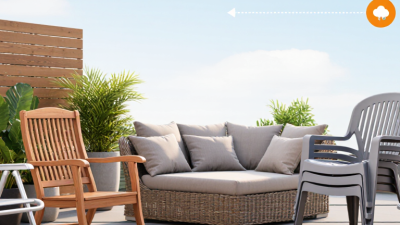
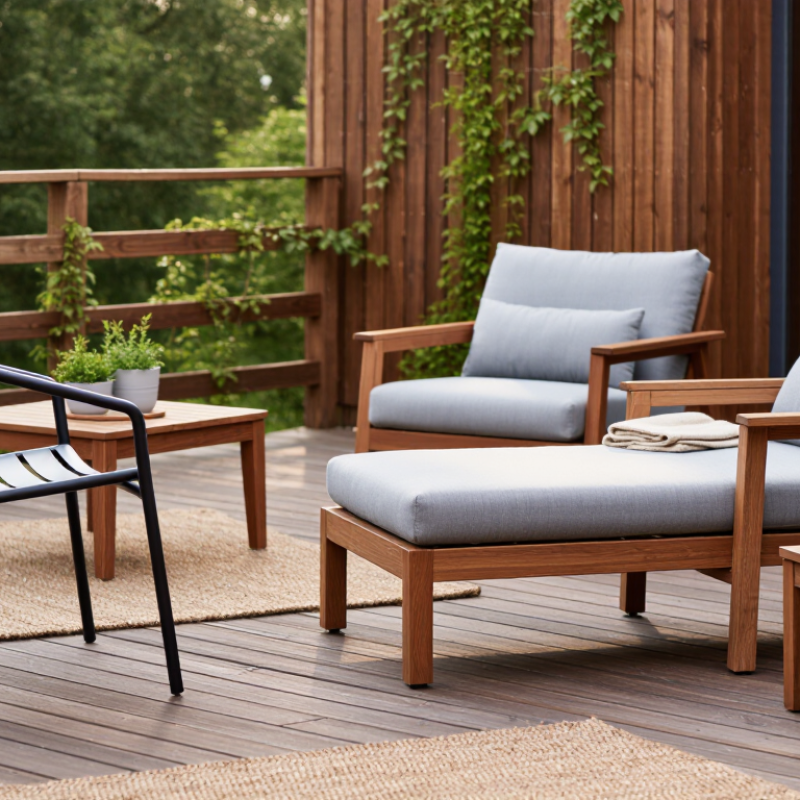
Patio chairs are movable seats designed for outdoor use, from a small balcony to a wide garden deck. They may have frames made from wood, metal, or resin, with seats that are woven, slatted, or cushioned. The right choice depends less on appearance alone and more on how the space is used. A chair beside a café table needs a different shape from a deep seat meant for long evenings.
Think about the ground beneath it. On a tiled patio, narrow feet can leave marks or wobble on uneven joints; wider glides may feel steadier. Measure the space with chairs pulled out, not pushed neatly under the table. That detail is easy to miss. Check whether cushions can be removed and stored, especially where rain or strong sun is common. Materials still need care, and “all-weather” does not mean maintenance-free.
Patio chairs also help define outdoor zones. Two compact chairs can make a quiet reading corner near a planter, while matching seats can give a dining area a clearer shape. Leave enough room to walk behind them without turning sideways. Comfort is personal, so a chair that looks inviting may still feel too upright after ten minutes. If possible, sit in it before choosing; even then, outdoor use can reveal small annoyances that a showroom cannot.
How Patio Chairs Support Comfort and Everyday Use
Patio chairs support comfort by giving the body a stable place to rest during meals, reading, or a quiet break outdoors. A seat with enough depth lets you sit back without pressing against the edge. Supportive backs can ease the strain of sitting through a long lunch, while armrests help when standing up. Small details count.
Seat height matters, too. Your feet should rest comfortably on the ground, and your knees should not feel crowded beneath a table. If possible, try a chair before buying it. Sit for several minutes, shift your weight, and notice whether the back or seat feels hard. Comfort is personal; a chair that looks inviting may not suit everyone.
For everyday use, consider the surface where the chairs will sit and how often you will move them. Lightweight chairs are easier to reposition for guests, but they may feel less steady in wind. Cushions can soften firm seats, though they need a dry place after rain. That extra step is easy to overlook. A practical choice balances comfort with the effort of keeping the chairs ready to use.
Why Choose Patio Chairs for Outdoor Seating? - How Patio Chairs Support Comfort and Everyday Use
| Patio Chair Style |
Comfort and Support |
Everyday Use |
Practical Considerations |
| Dining chair |
An upright seat supports a meal-time posture. A contoured back or cushion can add comfort. |
Useful for outdoor meals, working at a patio table, and conversation. |
Check that the chair height and armrests fit beneath the table. Store removable cushions when not in use. |
| Adirondack chair |
A reclined back and broad armrests create a relaxed seating position; the low seat may be harder to get out of for some people. |
Well suited to lounging, reading, or sitting around a fire pit. |
Its reclined angle is less suited to sitting close to a dining table. Material and finish affect weather care. |
| Sling chair |
A fabric seat conforms somewhat to the body and usually does not require a separate cushion. |
Convenient for casual seating and spaces where a simple, easy-to-clean design is preferred. |
Comfort and support depend on the fabric tension and frame shape. Follow care instructions to clean and dry the sling. |
| Folding chair |
Support varies by design; padded or shaped versions can be more comfortable for longer sitting. |
Provides extra seating for guests and can be put away when the patio needs more open space. |
Check that the locking mechanism is fully engaged before sitting. Store in a dry place when needed to protect the frame and seat. |
| Rocking chair |
A gentle rocking motion can make relaxed sitting more enjoyable; armrests and back shape influence support. |
A comfortable option for porches and other level areas intended for quiet relaxation. |
Allow enough clearance for the rocking motion and place the chair on a stable, level surface. |
Comfort, durability, and care needs vary with the chair’s construction, materials, and finish. Check product specifications and care instructions when choosing a chair for your outdoor space.
Which Materials Withstand Outdoor Conditions
Outdoor patio chairs face more than occasional rain. Sunlight can fade finishes, while trapped moisture may weaken joints and encourage corrosion. Powder-coated aluminum is light and resists rust, though its coating can chip if scratched. Salt air is harsh. Stainless steel is sturdy, but quality and maintenance matter near the coast. Teak contains natural oils and handles weather well; it still weathers to a silvery gray unless regularly treated. Synthetic resin can resist moisture and UV exposure, but cheaper pieces may become brittle over time. Natural wicker is better suited to covered areas.
Tips: Check the joints, welds, and underside before buying. Look for drainage holes and replaceable feet. Choose removable, quick-drying cushion covers, then store cushions indoors during long wet spells. A small scratch deserves attention before rust spreads.
Material choice also depends on how you use the chairs. For a sunny, uncovered deck, prioritize UV resistance and easy cleaning. For a sheltered porch, comfort and lighter construction may matter more. I have found that “weather-resistant” does not mean maintenance-free; dust and standing water still leave marks. Consider your local climate and the care you can realistically provide.
How Chair Styles Suit Different Patios and Activities
Why Choose Patio Chairs for Outdoor Seating?
How Chair Styles Suit Different Patios and Activities
Patio chairs work best when their shape matches the space and the way people use it. A narrow balcony benefits from slim folding chairs that tuck beside a railing. On a broad stone patio, deeper lounge chairs make room for slower evenings. The National Gardening Association’s 2024 National Gardening Survey estimated that 80% of U.S. households took part in lawn and garden activities in 2023. That makes the patio an everyday extension of the garden for many households, not just a place for guests.
For meals, upright chairs with supportive backs help people stay comfortable at a table. A low, reclining seat suits reading or watching children play, but it can feel awkward during dinner. The Outdoor Foundation’s 2024 Outdoor Participation Trends Report counted 175.8 million U.S. outdoor recreation participants in 2023. Patio seating is not the same as trail gear, of course, yet the range of outdoor activities suggests why one chair style rarely fits every moment. Small detail. It matters.
Consider the surface, too. Metal legs can scrape across tile, while wide feet may sit more steadily on soft decking. Woven chairs feel relaxed, but rain and pollen still demand care. There is no perfect setup. I would choose fewer chairs that suit the patio’s main activity, then add flexible seating when needed.