How to Choose the Best Outdoor Table and Chairs for Your Space?
Choosing the right outdoor table and chairs can significantly enhance your outdoor living space. With countless options available, it is essential to consider various factors. The right furniture can turn a simple patio into a cozy retreat.
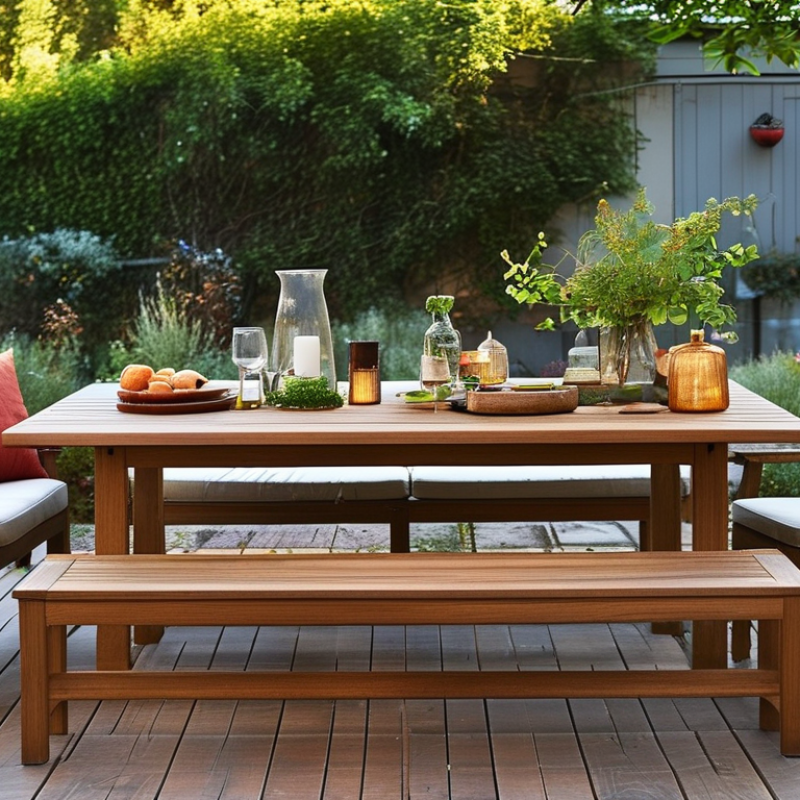
Think about your needs. Do you often host gatherings or prefer quiet evenings? Selecting furniture that fits your lifestyle is crucial. Look for durable materials that withstand weather conditions. Wood provides charm, while metal offers a modern touch. Comfort should also play a role. Cushions and ergonomic designs can make a difference.
Additionally, size matters. A large table may overwhelm a small balcony, while a tiny setting might feel inadequate for a spacious deck. Reflect and visualize how you plan to use the space. Don't rush the decision. Take your time to ensure your outdoor table and chairs truly match your vision and needs.
Understanding Your Outdoor Space Requirements
When choosing outdoor furniture, evaluate your space thoroughly. Start by measuring the area. Is it spacious or cozy? A large area allows for bigger tables and more chairs. Conversely, small spaces may require compact options. Consider the layout; placement affects movement and flow. An inviting arrangement promotes relaxation and comfort.
Next, assess the environment. Direct sunlight or heavy winds influence material choice. Durable materials withstand wear and tear. If you have kids or pets, sturdier options are advisable. Pay attention to style as well. The furniture should complement your home’s aesthetics. A mismatch can be jarring. Reflect on how you plan to use the space. Dining, lounging, or a mix? This will guide your selection.
Think about maintenance, too. Some materials need regular care, while others are low-maintenance. Be honest about your commitment to upkeep. Sometimes, simplicity trumps elaborate designs. An effective arrangement and the right choice can enhance your outdoor experience.
How to Choose the Best Outdoor Table and Chairs for Your Space? - Understanding Your Outdoor Space Requirements
| Dimension |
Description |
Material Options |
Seating Capacity |
Weather Resistance |
| Small |
Ideal for balconies or small patios |
Plastic, Metal |
2-4 people |
Basic weather resistance |
| Medium |
Good for gardens or larger patios |
Wood, Composite |
4-6 people |
Moderate weather resistance |
| Large |
Suitable for big gatherings or family events |
Teak, Aluminum |
6-10 people |
High weather resistance |
| Adjustable |
Versatile options for different occasions |
Folding tables, Metal frames |
2-8 people |
Wind and water resistant |
Identifying the Right Materials for Durability and Aesthetics
Choosing the right materials for outdoor tables and chairs is crucial. Durability should be a primary consideration. Metals like aluminum and steel are strong, while wood adds warmth. However, wood requires regular maintenance to prevent rot. You might love a mahogany table, but weather exposure can be tough on it.
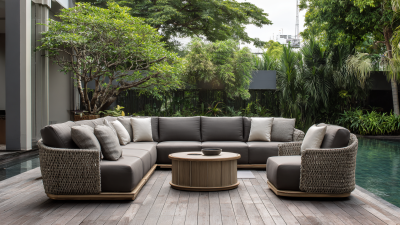
Next, think about aesthetics. Materials can significantly impact the look of your outdoor space. Wicker can create a cozy vibe, while glass tops offer a sleek, modern appearance. But remember, glass can be heavy and require careful handling. Mixing materials adds character, too, but pay attention to how they will interact over time.
Lastly, always consider comfort. Soft cushions can make a big difference, but fabrics need to be outdoor-friendly. Sunbrella is a popular choice for fabric, known for its durability. Still, even the best fabrics may fade or wear with prolonged exposure. Think about your lifestyle before making a decision.
Material Durability and Aesthetics for Outdoor Furniture
Choosing the Appropriate Size and Shape for Comfort and Functionality
When selecting outdoor tables and chairs, size matters greatly. According to a report by the American Society of Landscape Architects, 47% of homeowners prioritize comfort and ergonomics in their outdoor spaces. The right dimensions ensure that you and your guests can enjoy long meals comfortably. Standard dining tables typically range from 28 to 30 inches in height. This is crucial to consider when pairing with chairs, which generally should have a seat height of 17 to 19 inches.
Shape is another vital aspect. Round tables encourage interaction and are often better suited for smaller spaces. In contrast, rectangular tables provide ample surface area for larger gatherings. According to a survey by the Outdoor Furniture Association, rectangular tables are preferred by 63% of people with larger patios. However, the wrong shape can make a space feel cramped. Seek a balance between aesthetics and functionality.
Finding the appropriate size and shape is not always straightforward. Some people tend to overestimate how much space they actually need, leading to cluttered patios. Reflect on your typical gatherings. If you often host friends or family, a larger table may be necessary. But if you enjoy quiet dinners, choose a cozier option. Balancing personal needs with space dimensions is essential for maximizing both comfort and utility.
Exploring Style Options to Match Your Outdoor Decor
When choosing outdoor furniture, consider how it complements your space. The right style can elevate your outdoor decor. For instance, a minimalist design creates a clean look, while a rustic style adds warmth. Think about materials too. Metal emits a modern vibe; wood feels timeless and cozy.
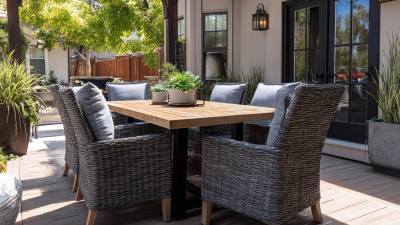
Tips: Always visualize how colors work together. If your home features neutral tones, bold furniture can add excitement. Don't shy away from mixing textures. Wicker chairs paired with a metal table create an interesting contrast.
Reflect on your usage. Do you entertain often? You might need seating that’s versatile and comfortable. A table with an extension feature can help accommodate friends. Embrace the idea of imperfection; weathered finishes can tell a story. Each scratch or fade adds character and charm to your outdoor area. Choose pieces that will grow with your space, enhancing it over time.
Evaluating Budget and Maintenance Considerations for Long-Term Use
When selecting outdoor tables and chairs, budget and maintenance are critical factors.
Research indicates that you should allocate around 15-20% of your total outdoor setup budget for furniture.
This means if your budget is $1,000 for outdoor decor, aim to spend about $150-$200 on a set.
Remember, spending less often means more frequent replacements.
Material matters significantly when considering maintenance.
For instance, aluminum is lightweight and rust-resistant but might require occasional cleaning.
Wood offers warmth but needs regular sealing. According to a National Association of Home Builders report,
quality materials determine the lifespan and ongoing maintenance costs of outdoor furniture.
Sets made from high-density polyethylene, for example, can resist stains and fading while lasting over a decade with minimal effort.
Think about the time you can dedicate to upkeep. A stylish wicker set may enhance your patio but demands attention.
If left untreated, it can deteriorate quickly. Often, people overlook this aspect and find themselves replacing furniture after just a few seasons.
Choosing pieces that fit your lifestyle and budget will save money and time in the long run.
Choose wisely and maintain effectively.