Choosing the right patio chairs in 2026 means looking beyond attractive colors and seasonal trends. A chair may photograph beautifully, yet feel stiff after twenty minutes. Comfort, frame strength, weather resistance, and maintenance will matter more in daily use.
This guide examines popular options, including aluminum, teak, resin wicker, recycled plastic, and powder-coated steel. Each material behaves differently under sunlight, rain, humidity, and frequent movement. Cushioned lounge chairs can create a relaxed reading corner, while lightweight folding chairs suit smaller balconies. Deep seats feel luxurious, but they may challenge shorter users. Stackable designs save storage space, although some sacrifice arm support.
Real-world experience often reveals details that product descriptions miss. Check whether water drains quickly after a storm. Notice if the armrests become hot at midday. Test the seat height before buying a complete set. Small details matter. Reliable choices should also include stable legs, breathable fabrics, replaceable cushions, and clear care instructions. Recycled materials may reduce environmental impact, but their durability still deserves careful inspection. Claims about sustainability are not always equally transparent.
No single style suits every home, climate, or budget. My preference may lean toward durable, low-maintenance designs, but that is not a universal answer. A shaded terrace needs different patio chairs from an exposed coastal deck. This overview weighs practical evidence, comfort, appearance, and long-term value. It also acknowledges compromises, because the perfect chair remains mostly a marketing idea.
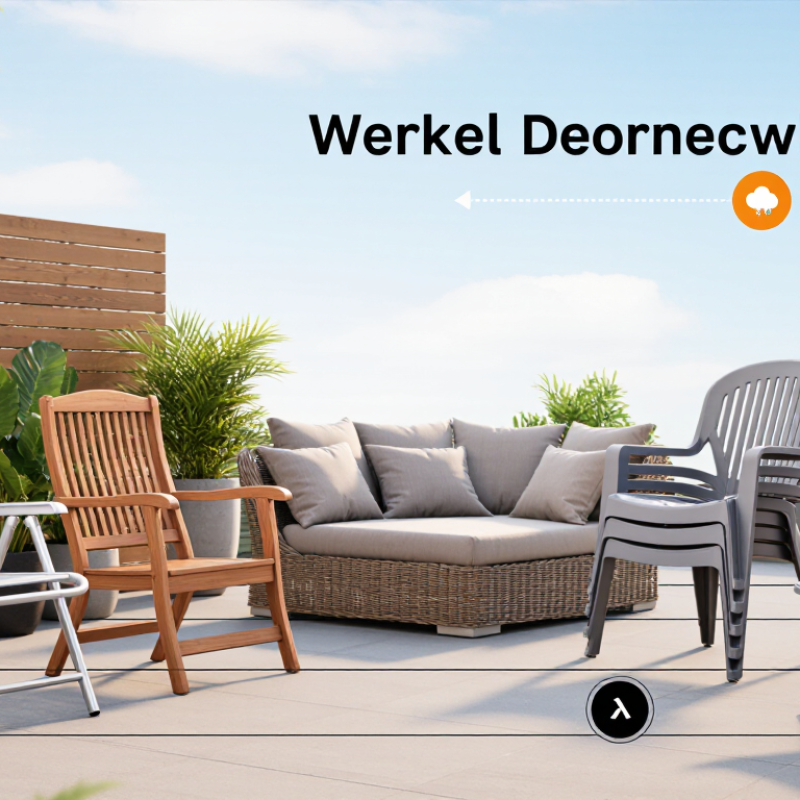
Patio chairs serve different outdoor habits, so comfort should guide your choice. Adirondack chairs have wide armrests, deep seats, and angled backs. They suit relaxed conversations beside a fire pit. Dining chairs sit higher and keep your posture upright during meals. Choose weather-resistant frames and supportive seat surfaces for longer dinners.
Lounge chairs offer adjustable backs for reading, sunbathing, or afternoon naps. Rocking chairs add gentle movement, but they need a level, stable floor. Swivel chairs make conversation easier around a table. Folding chairs save storage space and work well on smaller balconies. In practical patio planning, seat height is often overlooked. A chair can look attractive yet feel awkward beside a low table. I have found that cushions also change the experience. Thick cushions feel inviting, but they may hold moisture after rain.
Tips:Measure your table before buying chairs. Leave about 24 inches between seats for easier movement. Check whether the frame feels steady on your surface. For sunny patios, select fabrics with strong fade resistance. Removable covers simplify cleaning, though they still need regular drying. Do not trust appearance alone. Sit in the chair for several minutes if possible. Some elegant designs become uncomfortable quickly. A small flaw can matter.
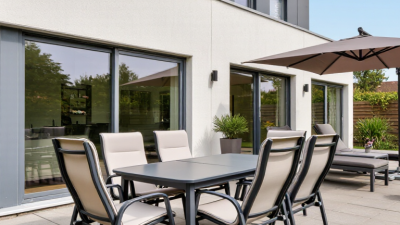
Matching patio chairs to outdoor spaces starts with proportion, not appearance. A narrow balcony needs folding chairs or slim, stackable frames. Leave at least 60 centimeters between the seat and surrounding walls. This allows easier movement and safer cleaning. For a large covered patio, deep lounge chairs create a relaxed conversation area. Add a small side table within arm’s reach. It sounds obvious, yet many layouts ignore daily movement.
Weather exposure should guide materials and cushions. Choose quick-drying fabrics for uncovered patios and breathable padding for humid climates. Aluminum frames suit lightweight arrangements, while treated wood brings warmth to gardens. Grand View Research valued the global outdoor furniture market at approximately 23.6 billion dollars in 2023. Its report projects growth of roughly 5% annually through 2030. More choices do not guarantee a better fit.
Houzz’s 2024 U.S. Outdoor Trends Study surveyed more than 1,000 homeowners about outdoor upgrades. Seating remains closely connected with dining, entertaining, and relaxation zones. Match chair height with the table before judging color. Standard dining chairs usually pair with tables about 71 to 76 centimeters high. I once selected oversized lounge chairs for a compact terrace. They looked comfortable, but blocked the door. Measure the doorway, walking path, and storage space first. Small mistakes become daily annoyances.
What Are the Best Types of Patio Chairs in 2026?
Choosing patio chairs starts with the local weather, not appearance. Aluminum chairs resist rust and remain light enough to move easily. Powder-coated finishes add protection, but scratches can expose the metal underneath. Wipe those areas early. Teak handles rain well because its natural oils slow moisture absorption. However, it gradually turns silver-gray under sunlight. Some owners prefer that look, while others regularly apply outdoor oil.
Synthetic wicker offers a comfortable, woven appearance with less upkeep than natural fiber. Check that the frame underneath is aluminum or another rust-resistant material. Steel frames can feel sturdy, yet damp coastal air may test their coating. High-density recycled plastic resists moisture, salt, and insects. It may also become hot after several hours of direct sun.
Maintenance remains simple, but not effortless. Rinse dust and bird residue with clean water every few weeks. Use mild soap and a soft brush for textured surfaces. Avoid harsh cleaners, which can dull protective finishes. Let cushions dry completely before storing them. I once covered slightly damp cushions and found mildew days later. That mistake was avoidable.
Look for drainage holes beneath seats. They prevent water from pooling after storms. In windy areas, heavier chairs stay safer, although moving them becomes inconvenient. Secure lightweight pieces during severe weather. No material stays perfect forever. Even durable chairs need shade, inspection, and occasional tightening of screws.
The chart compares common patio-chair materials using typical outdoor performance estimates. Weather resistance is rated from 1 to 5, while annual maintenance represents approximate hands-on care under normal outdoor use. Local climate, shade, covers, and winter storage can significantly affect results.
Choosing patio chairs in 2026 means balancing comfort with everyday safety. Lounge chairs suit quiet reading, while upright dining chairs support meals and longer conversations. Chairs with gently curved backs reduce pressure on the lower spine. Armrests also help older adults sit down and stand up more steadily. Breathable mesh or slatted surfaces can feel cooler than dense cushions on hot afternoons. Still, cushions need quick drying. Damp padding can become unpleasant surprisingly fast.
Stability deserves close attention. I check whether all four legs touch the ground without rocking. Wide feet are useful on tiles, but they may sink into soft soil. Look for rounded edges, secure joints, and a clearly stated weight capacity. Non-slip feet can reduce movement, although they do not replace level flooring. Foldable chairs save space, and stackable designs simplify storage. However, moving parts can loosen over time. Inspect hinges and bolts every few months.
Material choice affects practical ownership. Powder-coated metal usually needs less care than untreated wood, while outdoor wood requires regular sealing. Plastic is light and easy to wash, but some models feel less supportive. I once selected attractive chairs with narrow seats; guests avoided them after twenty minutes. That mistake changed my buying process. Measure the seat depth, table height, and available walking space before ordering. Leave enough clearance for elbows and safe movement. Comfort is personal, so testing one chair remains wiser than trusting photographs.
| Chair Type | Comfort Level | Typical Support Features | Safety Considerations | Weather Resistance | Maintenance Needs | Portability | Best Practical Use |
|---|---|---|---|---|---|---|---|
| Adjustable Reclining Chair | ★★★★★ Excellent for extended sitting |
Multi-position backrest, contoured seat, and optional footrest | Use a secure locking mechanism; keep fingers clear of moving joints | Good when made with corrosion-resistant frames and quick-drying fabrics | Clean frame regularly and inspect hinges, locks, and fabric seams | Medium; usually heavier than folding chairs | Lounging, reading, and relaxing beside a pool or garden |
| Dining Patio Chair | ★★★★☆ Comfortable for meals |
Upright back, stable seat height, and optional cushions | Choose a level base and adequate seat width; secure cushions in windy areas | Good with powder-coated metal, treated wood, or outdoor-grade synthetic materials | Wipe after meals and dry cushions fully to reduce mildew risk | Medium | Outdoor dining tables, family meals, and entertaining |
| Folding Patio Chair | ★★★☆☆ Suitable for shorter periods |
Light frame, simple backrest, and compact folding structure | Check that the frame is fully open and the locking joints are engaged before sitting | Varies; fabric and hinges require protection from prolonged moisture | Keep folding joints clean and store in a dry, ventilated location | Excellent; easy to carry and store | Small patios, temporary seating, events, and occasional use |
| Stackable Armchair | ★★★★☆ Good everyday comfort |
Arm support, molded seat, and stable four-leg base | Stack only on a flat surface and stay within the stated weight capacity | Often good when constructed from UV-resistant resin or coated metal | Low; wash with mild soap and water, avoiding abrasive cleaners | Good; stacks efficiently but may be bulky when carried | Frequent entertaining and patios that need flexible seating |
| Adirondack-Style Chair | ★★★★☆ Relaxed and supportive |
Wide armrests, sloped back, and deep seat | Use a stable surface; the deep seat may be difficult for some users to enter or exit | Good with weather-treated wood or UV-stabilized recycled plastic | Wood may need periodic sealing; plastic usually needs simple washing | Low to medium; commonly wide and relatively heavy | Porches, lawns, fire-pit areas, and relaxed outdoor seating |
| Wicker-Style Lounge Chair | ★★★★★ High comfort with cushions |
Deep seat, supportive back, and thick removable cushions | Use cushions with non-slip ties and avoid damaged or unraveling woven surfaces | Good when made with synthetic outdoor wicker; natural fibers need greater protection | Vacuum or brush debris away and dry cushions completely after rain | Low; typically designed to remain in place | Covered patios, sunrooms, and long-duration lounging |
| Sling Chair | ★★★★☆ Cool and supportive |
Tensioned mesh or fabric seat that conforms to the body | Inspect fabric tension and attachment points; replace stretched or torn material | Good with UV-resistant mesh and rust-resistant hardware | Rinse dust and salt away; allow mesh to dry before storage | Medium | Hot climates, pool areas, and low-maintenance seating zones |
| Rocking Patio Chair | ★★★★☆ Comfortable for gentle movement |
High back, armrests, and curved runners or a controlled rocking base | Place on a stable, level surface and leave clearance around the rocking path | Good when the frame and hardware resist corrosion; cushions need moisture protection | Check runners, joints, and fasteners periodically | Low to medium | Covered porches, quiet reading areas, and relaxation |
| Zero-Gravity-Style Chair | ★★★★★ Excellent pressure distribution |
Reclining tension fabric, adjustable headrest, and elevated leg support | Lock the recline position properly and avoid exceeding the specified load limit | Moderate to good; moving parts and fabric should be protected from constant exposure | Clean fabric gently and lubricate or inspect joints only as directed by the manufacturer | Good; usually folds for transport | Napping, reading, sunbathing, and temporary outdoor relaxation |
| Bar-Height Patio Chair | ★★★☆☆ Best for upright seating |
Raised seat, footrest, and supportive back | Use on a level surface; a footrest improves stability and reduces leg pressure | Good with properly coated metal or outdoor-rated synthetic materials | Clean spills promptly and check footrests and frame joints | Medium | Raised counters, outdoor kitchens, and high-top tables |
Choosing the best patio chair in 2026 starts with your actual outdoor routine. A folding chair suits occasional guests, while a deep lounge chair supports longer reading sessions. Dining-height chairs work better around a table. Measure the seat height and arm width before ordering. Small mistakes matter.
Your climate should guide the material. Powder-coated metal handles changing weather well, but it can feel hot in direct sun. Solid wood looks warm and sturdy, although it needs regular sealing in damp areas. Resin and recycled plastic resist moisture and clean easily. Check for rust-resistant fasteners, strong joints, and drainage holes. A chair that traps rainwater may deteriorate faster than expected. Look closely.
Comfort requires more than soft cushions. Sit with both feet flat, then check whether your lower back feels supported. Cushions should dry quickly and stay attached during windy afternoons. If older adults use the patio, stable arms can make standing safer. Families may prefer rounded edges and easy-clean surfaces. Weight capacity deserves careful attention, especially for wider lounge designs. Many buyers focus on appearance first, then regret a narrow seat or difficult maintenance. A practical compromise can be wiser than a perfect-looking set. Leave enough space to walk around each chair. Test the chair if possible, because online measurements cannot show every comfort issue.