Choosing the right supplier can shape an entire outdoor living project. What Are the Best China Outdoor Furniture Suppliers? The answer depends on more than factory size or attractive catalog photos.
Reliable evaluation begins with product evidence. Look for suppliers experienced in aluminum, teak, rope, rattan, and weather-resistant upholstery. Ask for material specifications, coating details, and recent quality-control records. A serious manufacturer should explain welding standards, fabric performance, drainage design, and packaging methods clearly. Request physical samples before placing a large order. Touch the powder-coated frame. Check the weave under bright light. Sit on the chair and inspect its joints.
Small details matter.
Strong suppliers usually provide clear drawings, consistent samples, and practical production timelines. They may also support customized dimensions, branding, replacement parts, and container loading plans. Verify business credentials through reputable sourcing platforms, trade references, factory audits, and independent inspections. Compliance documents should match the actual products, not merely appear in a sales presentation. Product safety, environmental requirements, and import rules still depend on the destination market.
No supplier is perfect. Delays can occur during peak seasons, and sample quality may differ from mass production. That risk deserves honest discussion. A useful comparison should examine communication speed, warranty terms, defect handling, payment protection, and long-term service. The best China outdoor furniture suppliers are not always the cheapest. They are the partners that combine dependable manufacturing, transparent communication, and furniture built for real balconies, patios, hotels, and gardens. Careful verification takes time, but it can prevent expensive surprises later.
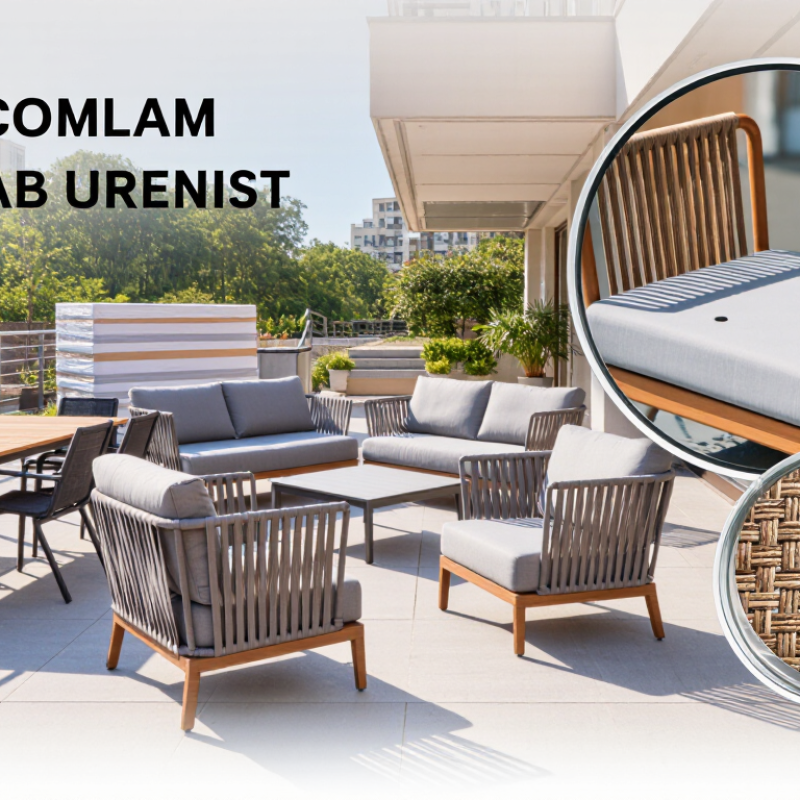
China’s outdoor furniture manufacturing landscape is broad, regional, and highly specialized. Coastal production areas often support mature export networks, while inland factories may offer lower operating costs. Suppliers commonly produce aluminum frames, synthetic rattan, teak furniture, stainless steel pieces, and outdoor textiles. Each material requires different equipment and quality controls.
A capable supplier should explain its production process clearly. Ask about alloy grades, powder-coating thickness, weld inspection, fabric testing, and drainage design. Factory visits can reveal details that catalogs hide, such as crowded workspaces or inconsistent finishing. Third-party audits also help verify capacity, worker safety practices, and documented quality procedures. These checks are not exciting. They prevent expensive surprises.
Outdoor furniture must survive sunlight, moisture, temperature changes, and repeated handling. Request test reports that match the intended market and product use. Confirm packaging strength with drop or vibration testing, especially for glass and assembled frames. Experienced buyers should compare samples from several factories, not just negotiate the lowest quotation. A cheaper chair may use thinner tubing or weaker fasteners. That difference appears later.
Communication deserves equal attention. Suppliers should provide clear drawings, realistic lead times, replacement policies, and inspection records. Some factories respond quickly before an order but become vague during production. That is a warning sign. Still, no supplier performs perfectly every season. Port delays, material changes, and rushed approvals can affect results. Careful documentation reduces the risk, but it never removes the need for ongoing review.
Choosing China’s best outdoor furniture supplier requires more than comparing catalog prices. I usually examine factory experience, production capacity, and material control. A reliable supplier should explain its aluminum grades, coating process, fabric composition, and wood treatment clearly. Vague answers are warning signs.
Ask for recent samples, not only polished showroom photographs. Check welds, drainage holes, edge finishing, and cushion stitching by hand. Outdoor furniture must survive sunlight, rain, humidity, and repeated movement. Request test reports for corrosion resistance, colorfastness, load capacity, and fabric performance. Verify whether the reports match the actual materials and production site. Factory audits, worker safety records, and documented quality procedures also reveal operational discipline. Small details matter.
My early sourcing mistake was trusting a strong-looking frame without testing water drainage. The first sample collected rain beneath the seat. It failed quietly. A dependable supplier should accept design changes and provide a corrective action record. Communication speed matters, but technical accuracy matters more. Ask about mold control, packaging protection, replacement parts, and inspection points before shipment. Independent inspections can reduce surprises, although they cannot replace your own product knowledge. Compare quotations carefully. A low price may exclude protective packaging, testing, spare components, or realistic production time. Keep written specifications, approved samples, tolerances, and payment milestones in one shared file. Clear records make responsibility easier to trace.
China’s outdoor furniture industry is concentrated in several strong manufacturing regions. Guangdong is known for aluminum frames, woven seating, and export-ready collections. Zhejiang offers broad product ranges, including rattan-style chairs, tables, and compact balcony furniture. Jiangsu often performs well in metal processing and commercial outdoor projects. Fujian is worth examining for stone, ceramic, and mixed-material designs.
Regional strength matters, but it does not guarantee quality. A capable factory should explain alloy grades, coating methods, fabric performance, and drainage design clearly. Ask for production photos, material samples, and recent inspection records. Small details matter. Check weld consistency, screw alignment, edge finishing, and packaging protection. Outdoor products face rain, ultraviolet exposure, wind, and repeated movement.
Supplier type also shapes the buying experience. Direct factories usually provide stronger price control and technical communication. OEM and ODM suppliers can adjust dimensions, colors, and packaging for a specific market. Trading companies may offer wider product selections, especially for mixed containers. Project-focused suppliers can coordinate seating, umbrellas, lighting, and installation support. However, their technical depth may vary. I have found that attractive catalogs sometimes hide weak after-sales processes. A factory visit or live video inspection can reveal more than polished photographs. No region is perfect. The right choice depends on material requirements, order volume, testing needs, and communication discipline.
The best China outdoor furniture suppliers prove quality through repeatable production, not polished catalog photos. Inspect welds, frame alignment, drainage holes, and powder-coating coverage. A sample should survive load testing, UV exposure, moisture, and carton handling. Small defects matter.
Material selection should match the climate and use case. Powder-coated aluminum resists rust and keeps frames light. Stainless steel suits coastal projects, especially when the correct grade is specified. Teak, FSC-certified wood, and weather-resistant synthetic wicker require different maintenance plans. Ask for material thickness, coating standards, fabric performance data, and batch records. Vague answers deserve caution.
Certifications must match the destination market and product scope. Check ISO 9001 systems, FSC chain-of-custody documents, chemical compliance reports, and relevant furniture safety testing. Verify certificate numbers independently. Production capability is equally important. A capable factory may control cutting, welding, weaving, powder coating, sewing, assembly, and final inspection internally. This reduces handoff errors and improves delivery control. Still, no supplier is flawless. Even an experienced factory can miss color consistency or uneven stitching during a rushed season. Request a pre-production sample, approve a sealed reference unit, and require inspection photos before shipment. Factory visits remain useful, but one visit cannot replace ongoing quality records.
This procurement benchmark compares the relative importance of quality, materials, certifications, and production capabilities when evaluating outdoor furniture suppliers. The percentages represent a practical sourcing-weight model rather than data from any individual company or brand.
Selecting outdoor furniture suppliers in China requires more than comparing catalog prices. Start with the product’s environment: coastal salt air, strong sunlight, heavy rain, or freezing winters. A reliable supplier should explain material grades, coating thickness, drainage design, and replacement-part access. Ask for recent factory videos, export references, and certificates matching the actual product. Certificates alone are not enough. I once accepted a polished sample with thicker tubing than the production quote. That mistake taught me to approve a signed specification sheet.
Request a physical sample before placing a larger order. Check welds, corner joints, fabric seams, color consistency, and packaging after simulated handling. Measure critical dimensions, including stack height and carton size. Discuss minimum order quantities, tooling charges, payment milestones, production capacity, and realistic lead times in writing. A clear drawing prevents costly misunderstandings. Keep photo records of approved materials and finishes. If a supplier avoids direct answers, treat that as useful evidence.
Working well with a Chinese supplier depends on steady, specific communication. Send one updated file, mark revisions clearly, and confirm time-zone deadlines. Use a pre-shipment inspection with measurable acceptance criteria. Check random cartons, hardware counts, surface defects, and moisture protection. Agree on remedies for shortages or nonconforming goods before production begins. Build a relationship, but keep commercial decisions documented. My own process still needs improvement. I sometimes focus heavily on unit price and underestimate storage fees, inspection costs, and seasonal delays. A cheaper quote can become expensive quickly. Ask difficult questions early.