10 Best Modern Furniture Manufacturers Worldwide?

Modern furniture has moved beyond clean lines and neutral colors. It now reflects flexible living, responsible sourcing, digital production, and changing urban habits. A sofa must fit a smaller apartment. A dining table may need to support work, meals, and conversation. These practical demands are reshaping how leading manufacturers design and produce furniture.

The global furniture industry provides important context. Grand View Research estimates that the worldwide furniture market reached approximately US$766 billion in 2023, with continued growth expected through 2030. CSIL’s World Furniture Outlook also identifies residential demand, housing activity, and international trade as major market influences. These reports do not measure design quality alone. They show the scale of competition facing established manufacturers and emerging brands.

This guide examines ten modern furniture manufacturers with recognizable design identities, production capabilities, and international influence. Each selection considers material quality, manufacturing experience, ergonomic thinking, sustainability disclosures, and long-term brand credibility. Product details, warranty policies, and sourcing statements matter more than polished showroom images. A beautifully photographed chair can still disappoint after years of daily use.

No ranking is perfectly neutral. That deserves reflection. Regional availability, pricing, and cultural preferences can change the result. Some manufacturers excel in craftsmanship, while others lead through scalable production or circular design initiatives. Readers should compare independent certifications, verified customer feedback, and current company reports before purchasing. The following manufacturers represent strong reference points, not unquestionable winners, in today’s evolving modern furniture landscape.
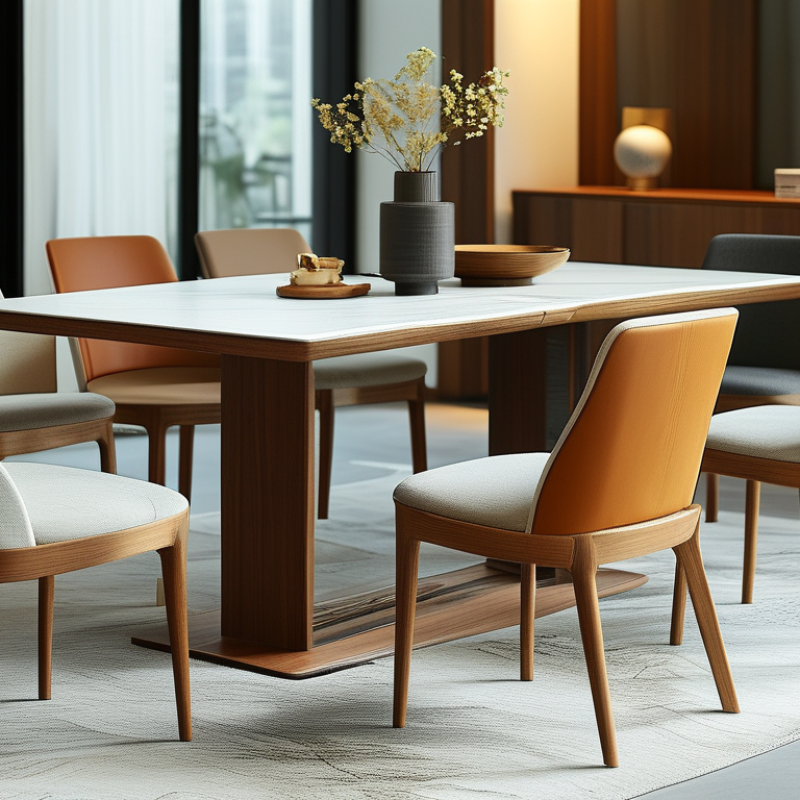
10 Best Modern Furniture Manufacturers Worldwide?

Defining Modern Furniture and Its Global Manufacturing Landscape

Modern furniture is not simply furniture with clean lines. It combines practical geometry, restrained decoration, ergonomic testing, and adaptable construction. A low-profile sofa, for example, may use modular frames, replaceable covers, and denser foam for daily use. Materials also matter. Wood grain, powder-coated steel, recycled polymers, and visible joinery can express function without excessive ornament.

The global manufacturing landscape is broad and uneven. Grand View Research valued the worldwide furniture market at about US$516.6 billion in 2022, with projected growth from 2023 to 2030.

Mordor Intelligence reports a different market boundary and estimates the sector at more than US$700 billion in the mid-2020s. These figures are not directly comparable. Definitions differ. That is an important limitation.

For a list of the 10 best modern furniture manufacturers worldwide, quality should extend beyond appearance. Buyers and specifiers should examine material traceability, factory capacity, product testing, repair systems, and delivery reliability. A precise edge is attractive, but poor surface finishing becomes obvious under afternoon light. International manufacturers often balance regional craftsmanship with automated cutting, digital prototyping, and standardized quality control. Environmental claims require caution. A recycled-content label may omit transport, adhesives, or end-of-life performance. Independent certifications, published measurements, and warranty terms offer stronger evidence than polished catalog language. Even professional rankings can overlook smaller factories with excellent workmanship. That deserves more reflection.

Criteria for Evaluating the World’s Leading Furniture Manufacturers

Choosing among the 10 Best Modern Furniture Manufacturers Worldwide requires more than attractive photographs. A serious evaluation begins with material quality, construction methods, and long-term performance. I examine wood grain, joint strength, metal finishes, foam density, and upholstery tension. Small details often reveal production discipline. A well-made chair should remain stable after repeated daily use, not only during a showroom visit.

Credible manufacturers provide clear information about material origins, factory standards, testing procedures, and repair policies. Independent certifications can support environmental and safety claims, but certificates alone are not enough. I also compare warranty terms, replacement-part availability, delivery protection, and customer service records. These details show whether a company supports its products after purchase. Transparent supply chains matter too, especially when responsible forestry, recycled materials, and fair working conditions are claimed.

Design quality still requires judgment. A striking table may photograph beautifully yet feel awkward in a real dining room. I measure proportions, test comfort, and consider cleaning, movement, and changing household needs. Price should reflect durability, workmanship, and service rather than prestige alone. No evaluation is perfect. Personal taste can distort results, while laboratory tests may overlook everyday frustrations. I sometimes value a minor flaw when it reflects thoughtful hand finishing, although that choice deserves careful reflection. The strongest manufacturers combine consistent craftsmanship, useful innovation, honest communication, and evidence that their furniture can live well beyond its first season.

Ten Notable Modern Furniture Manufacturers by Design and Craftsmanship

Modern furniture is best judged through daily use, not showroom photography. The following ten manufacturers stand out for design discipline and visible craftsmanship.

A Danish maker combines pale oak, clean joints, and repairable construction.

An Italian workshop shapes sculptural seating with firm foam and carefully matched leather.

A Japanese producer favors quiet proportions, hand-finished timber, and precise joinery.

A German manufacturer emphasizes engineering, durable mechanisms, and strict material testing.

A Swedish company balances soft colors with practical modular storage.

A Portuguese studio uses cork, local wood, and small-batch finishing techniques.

A British maker creates tailored upholstery, deep cushions, and strong frame construction.

A Finnish manufacturer explores bent plywood, lightness, and restrained curves.

A Canadian workshop pairs solid maple with robust finishes for demanding homes.

A Dutch producer experiments with recycled materials and adaptable forms.

Details reveal quality.

Open a drawer and inspect its movement. Examine whether the grain continues across adjoining surfaces. Sit for ten minutes, not ten seconds. The strongest manufacturers document wood sources, foam density, textile performance, and repair options. These details help buyers compare promises with evidence. Certifications can support trust, but they do not replace inspection or long-term user feedback.

Design preferences remain subjective. A rigid chair may support excellent posture but feel unforgiving. Recycled plastic can look innovative, yet surface wear may appear sooner than expected. Even skilled manufacturers make compromises.

I would question perfect product claims. Real craftsmanship includes honest limitations, consistent tolerances, and access to replacement parts. That matters.

Materials, Production Methods, and Sustainable Manufacturing Practices

10 Best Modern Furniture Manufacturers Worldwide?

Materials and production methods reveal more than a polished showroom. The strongest manufacturers now specify recycled aluminium, certified timber, low-emission adhesives, and durable textiles. Materials should be traceable to their source. They should also be repairable after delivery.

UNEP’s 2023 Global Status Report for Buildings and Construction states that buildings created 37% of global energy and process-related carbon emissions in 2022. Furniture factories contribute to this wider burden through kilns, finishing lines, transport, and electricity use. Efficient CNC cutting can reduce offcuts, while modular joints allow damaged parts to be replaced. Flat-pack production may lower transport volume, but it can increase packaging waste. The result is not automatically sustainable.

Plastic deserves closer scrutiny. The OECD’s Global Plastics Outlook reports that only 9% of plastic waste was recycled in 2019. Therefore, manufacturers should disclose recycled content, polymer types, and end-of-life options. A chair using recycled foam sounds responsible, yet mixed foams can remain difficult to recycle. This is an uncomfortable gap.

Independent certification, lifecycle assessments, and factory-level energy data make sustainability claims more credible. Manufacturers should report renewable electricity, water use, waste rates, and supplier audits. However, lifecycle studies often depend on assumptions. Rankings should admit that uncertainty. A durable product, honestly documented, may be better than a fashionable product with perfect marketing.

How to Choose the Right Modern Furniture Manufacturer for Your Needs

Choosing the right modern furniture manufacturer requires more than attractive photographs. Experience matters. Begin by matching the factory’s construction methods to the intended room, climate, and daily use. A dining chair for a busy café needs different joints and finishes from one used occasionally at home. Ask for material samples, technical drawings, load ratings, and a clear production timeline. These details reveal competence better than polished showroom images.

Inspect workmanship closely. Look closely.

Check seam alignment, drawer movement, edge finishing, weld quality, and surface consistency. Request a pre-production sample before approving a larger order. It may expose uncomfortable issues, such as a sharp corner or a finish that marks easily. I once treated a low quotation as a clear saving; hidden packaging and replacement costs changed that judgment. The mistake was useful, but avoidable.

A dependable manufacturer should explain quality controls, worker safety practices, environmental claims, and warranty limits in writing. Independent certifications can support those claims, but they still deserve verification from the issuing organization. Ask how defects are recorded and resolved, not only whether a warranty exists. Communication also matters: timely, precise answers usually indicate stronger project management. Compare lead times, minimum order quantities, spare-part support, and payment terms across several suppliers. The cheapest option may not be the most economical. Leave room for uncertainty, because real materials can vary slightly from digital samples.

The Health & Safety of our Community is Our Priority For this reason, we will be changing our business hours to:

MON - SAT 12pm - 5pm

Or by appointment

We will communicate any updates through our social media and other regular mediums. Thank you for being a loyal customer!

Learn More

Top The owner of this website has made a commitment to accessibility and inclusion, please report any problems that you encounter using the contact form on this website. This site uses the WP ADA Compliance Check plugin to enhance accessibility.