Choosing bedroom sets is less about matching every finish and more about making everyday routines easier. Measure the room, doorway, and walking space before comparing styles. A wide dresser may look useful online, yet leave little room to open its drawers beside a closet. Small details matter. Check bed dimensions, drawer construction, included pieces, and whether the finish suits your cleaning habits. A set that fits a spacious room may overwhelm a compact apartment bedroom.
This guide explores ten options across different budgets, from practical essentials to more polished furniture collections. Each choice should be judged by more than its listed price: consider materials, storage capacity, assembly needs, and the cost of pieces sold separately. Look closely at product specifications, since a “complete set” can mean different things from one retailer to another. No set is perfect. A lower-cost option may offer useful storage but fewer finish choices, while a premium design may stretch a budget without solving a real need. Prices and availability can change, so confirm current details with the seller before buying. The best fit is the one that suits your room, routine, and budget—not simply the most impressive photograph.
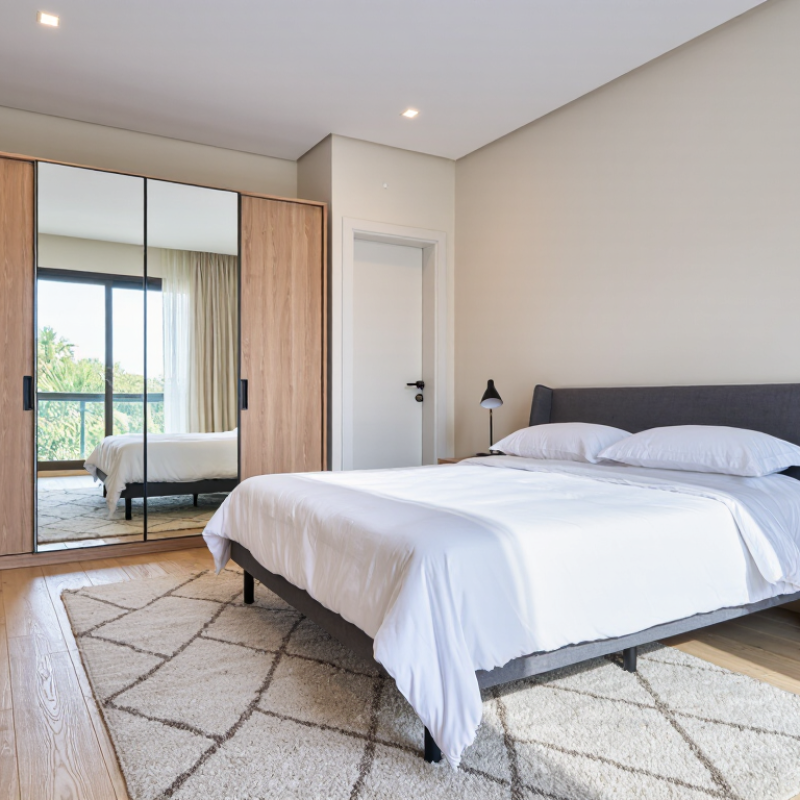
A bedroom set usually includes a bed frame, one or two nightstands, and a dresser. Larger sets may add a chest or a mirror. The bed anchors the room, while the other pieces provide storage and keep daily essentials close. A nightstand beside the bed can hold a lamp, a book, and a glass of water without crowding the floor.
The pieces work best when their scale suits the room. Measure wall space and walking paths before choosing a wide dresser or bulky bed frame. Leave enough room for drawers to open fully.
Small detail, big difference.
Matching finishes create a calm, connected look, but identical shapes can make a room feel too uniform. A contrasting lamp or a textured rug can soften that effect.
A set can simplify shopping, yet every included piece may not fit your habits. If you rarely use a mirror, that part may take up space without helping. Check drawer depth, hardware, and whether the bed needs a separate foundation.
These practical details matter more than a polished catalog photo. And preferences change; a coordinated set should still leave room for pieces you may add later.
Bedroom sets usually follow three practical styles: panel, platform, and storage-focused. Panel beds add visual weight with a tall headboard; platform frames sit lower and often need no box spring. Storage beds hide drawers beneath the mattress, useful when closet space is tight. The trade-off is access: a thick rug can make under-bed drawers awkward. Measure the room, door swings, and bedside clearance before choosing a matching dresser and nightstands. Small details matter.
Materials shape both price and upkeep. Solid wood can be repaired and refinished, while veneer over engineered wood often keeps costs lower and surfaces uniform. Check drawer joints, back panels, and hardware; these tell you more than a glossy finish. Upholstered headboards soften a room, but textured fabric can collect dust. The EPA’s 2018 materials report counted 12.1 million tons of discarded furniture and furnishings in the U.S.; that broad category is not bedroom furniture alone, but it underscores the value of buying pieces built to last. A set need not match perfectly. Sometimes, a separate nightstand fits better.
Configuration should fit daily routines, not just a showroom display. A bed, two nightstands, and a dresser suit many rooms; a chest can replace a wide dresser where floor space is limited. NAHB’s 2024 What Home Buyers Really Want report found that 86% of buyers rated a primary-bedroom walk-in closet essential or desirable. That does not mean everyone needs a large set. In a narrow room, fewer pieces may leave safer walking paths and clearer access to drawers. Measure twice. Prices and finishes vary by region, so compare construction details before comparing totals.
| 10 Best Bedroom Sets for Every Budget — Common Bedroom Set Styles, Materials, and Configurations | ||||||
|---|---|---|---|---|---|---|
| Bedroom Set Style | Typical Price Range (USD) | Common Materials | Typical Configuration | Visual Character | Best For | Practical Consideration |
| Basic Modern | $400–$900 | Engineered wood, laminate, metal hardware | Bed frame, dresser, nightstand | Simple lines, minimal ornament, neutral finishes | First apartments and budget-conscious shoppers | Check drawer construction and the bed’s center support, especially for larger mattress sizes. |
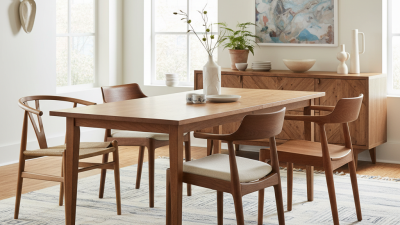
| Scandinavian | $700–$1,800 | Solid pine or rubberwood, veneer, woven fabric accents | Bed, two nightstands, dresser or chest | Light wood tones, tapered legs, uncluttered shapes | Bright rooms and understated, functional interiors | Light finishes can show marks; confirm whether surfaces have a protective coating. |
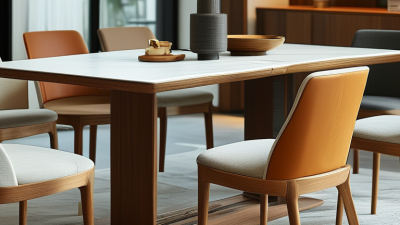
| Mid-Century Modern | $900–$2,500 | Walnut or oak veneer, solid wood legs, metal pulls | Bed, dresser, one or two nightstands | Low profiles, warm wood tones, gently angled legs | People who want a recognizable style without ornate detailing | Veneer quality and edge finishing vary, so inspect product specifications and close-up photos. |
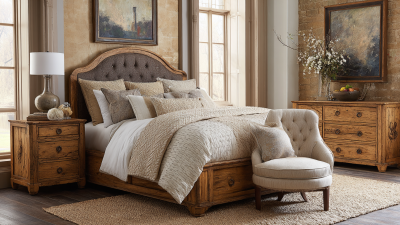
| Farmhouse | $800–$2,200 | Solid or engineered wood, painted finishes, metal hardware | Bed, dresser, mirror, one or two nightstands | Plank details, substantial proportions, distressed or painted surfaces | Relaxed, rustic, or country-inspired rooms | Distressed finishes are intentional; review finish descriptions to distinguish them from damage. |
| Traditional | $1,200–$3,500 | Hardwood, wood veneer, upholstered accents | Bed, dresser, mirror, two nightstands | Panel detailing, curved profiles, classic hardware | Formal bedrooms and coordinated, timeless interiors | Sets with mirrors and larger case goods need more wall space and may be difficult to move. |
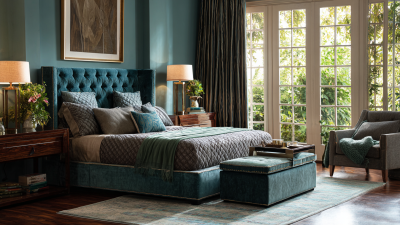
| Upholstered | $900–$3,000 | Fabric or faux leather, wood frame, foam padding | Upholstered bed, nightstands, dresser | Padded headboard, soft surfaces, tailored or tufted details | Those seeking a softer look or a comfortable headboard for sitting up | Fabric care needs vary; check cleaning instructions and whether the headboard is stain-resistant. |
| Storage-Focused | $700–$2,400 | Engineered wood, solid wood components, metal drawer slides | Storage bed, dresser, optional nightstands | Streamlined appearance with drawers or lift-up storage built in | Small bedrooms with limited closet space | Allow clearance for drawers to open; lift-up beds also need room to raise the mattress platform. |
| Industrial | $600–$1,800 | Steel, engineered wood, reclaimed-look finishes | Bed, dresser, one or two nightstands | Exposed metal, dark finishes, sturdy geometric forms | Loft-style rooms and interiors with an urban or utilitarian feel | Metal frames can be heavier and may need periodic tightening to reduce movement or noise. |
| Solid-Wood Investment | $2,000–$6,000+ | Solid oak, maple, walnut, or other hardwoods | Bed, dresser, and nightstands; pieces may be sold separately | Visible natural grain, substantial construction, repairable finishes | Long-term use and shoppers prioritizing durable materials | Compare wood species, joinery, finish, and warranty; “wood” alone does not confirm solid-wood construction. |
| Compact Apartment Set | $500–$1,500 | Engineered wood, metal, compact solid-wood components | Platform bed, narrow nightstand, small dresser or chest | Space-saving proportions and simple, flexible pieces | Studios, guest rooms, and smaller bedrooms | Measure doorways, stairways, and elevator access as well as the room before ordering. |
Entry-level bedroom sets, generally under $1,000, can cover the essentials: a bed frame, two compact nightstands, and a simple dresser. Look for stable joints, smooth drawer runners, and finishes that resist everyday scuffs. Measure the room before buying; a wide dresser can crowd the path from bed to door. Flat-pack furniture may save money, but assembly takes time. A little patience helps.
Midrange sets, roughly $1,000 to $3,000, often offer sturdier construction, more storage, and coordinated finishes without paying for elaborate detailing. Check drawer interiors and the bed’s center support, not just the showroom surface.
Houzz’s 2024 U.S. Houzz & Home Study reported a $24,000 median spend on home renovations in 2023, up from $15,000 in 2022. That figure covers home projects broadly, not bedroom sets, but it shows why a clear room-by-room budget matters.
Premium sets, usually above $3,000, may use solid hardwood, custom sizing, or carefully fitted storage. These features can improve longevity, but a high price alone proves little. Ask about materials, joinery, finish care, and replacement parts. Also compare the cost of buying pieces separately; matching everything is convenient, not essential. I still find that a slightly mismatched nightstand can make a room feel more personal. Check delivery access, too. A beautiful dresser is no bargain if it cannot fit up the stairs.
Start with the frame, not the finish. A smooth surface can look convincing, but joints and support matter more over years of use. Gently press the corners and ask what materials make up the side rails and center support. Solid wood is not automatically better for every part; well-joined engineered panels can also provide stability. Listen for creaks, too. They are not a definitive test, but they may reveal loose connections. A small detail, easily missed.
Storage should suit the room and your habits. Measure the space around drawers, including room to open them fully. Check whether drawer bottoms feel supported and whether the bed’s clearance works with your vacuum. Lift-up storage can hold bulky bedding, but it may be awkward in a tight room. Comfort is personal. Test the bed at your usual sleeping position, and check whether the headboard feels comfortable to lean against. A tall headboard may look impressive but crowd a low ceiling.
Compare the full cost, not just the advertised price. Include delivery, assembly, and any pieces sold separately. Ask about the warranty and care instructions, then read them before buying. For a budget set, inspect the finish in bright light and open every drawer; small flaws can be easy to overlook online. I would not treat one wobbly handle as proof of poor quality, but several uneven drawers deserve a closer look. Measurements and materials on paper help, yet hands-on checks can change your mind.
Choosing a bedroom set starts with measurements, not a price tag. Measure the room, doorways, and stair turns before shopping. Leave clear walking space around the bed and drawers; a dresser that blocks a closet quickly becomes frustrating. Decide which pieces you truly need. A bed and nightstands may fit a smaller room better than a matching six-piece set.
Budget for the whole setup, including a mattress, delivery, assembly, and bedding. The U.S. Bureau of Labor Statistics’ 2023 Consumer Expenditure report puts average annual U.S. spending on household furnishings and equipment at roughly $2,900. That category covers many household items, not bedroom sets alone, so use it as context rather than a target. Compare materials and construction, too: sturdy drawer slides and solid bed slats can matter more over time than a glossy finish. I would not assume a higher price guarantees better durability.
Tips: Sketch the room and mark furniture footprints with painter’s tape. Check whether drawers open fully beside the bed. If your budget is tight, buy essential pieces first and add matching items later. It may look less polished at first, but it can prevent costly compromises.