Top 10 Capsule Tiny House Ideas for Modern Living?
The concept of "Capsule Tiny House" has revolutionized modern living. Architect Sarah Johnson, an expert in sustainable design, states, "Capsule Tiny Houses challenge our perception of space and comfort." This statement encapsulates the essence of these innovative homes.
Capsule Tiny Houses are not just about minimalism; they represent a lifestyle shift. These compact dwellings offer creative solutions for urban dwellers facing housing shortages. Each design prioritizes functionality and aesthetic appeal, transforming limited space into a cozy haven. Yet, some may find it challenging to adapt to such small living areas.
The appeal lies in their simplicity and environmental footprint. However, the transition to less space demands significant adjustment. Living in a Capsule Tiny House often leads to reflection on what truly matters. Overall, these homes are not without their drawbacks. They encourage individuals to reassess their needs and desires, redefining the concept of home.
Innovative Design Concepts for Capsule Tiny Houses
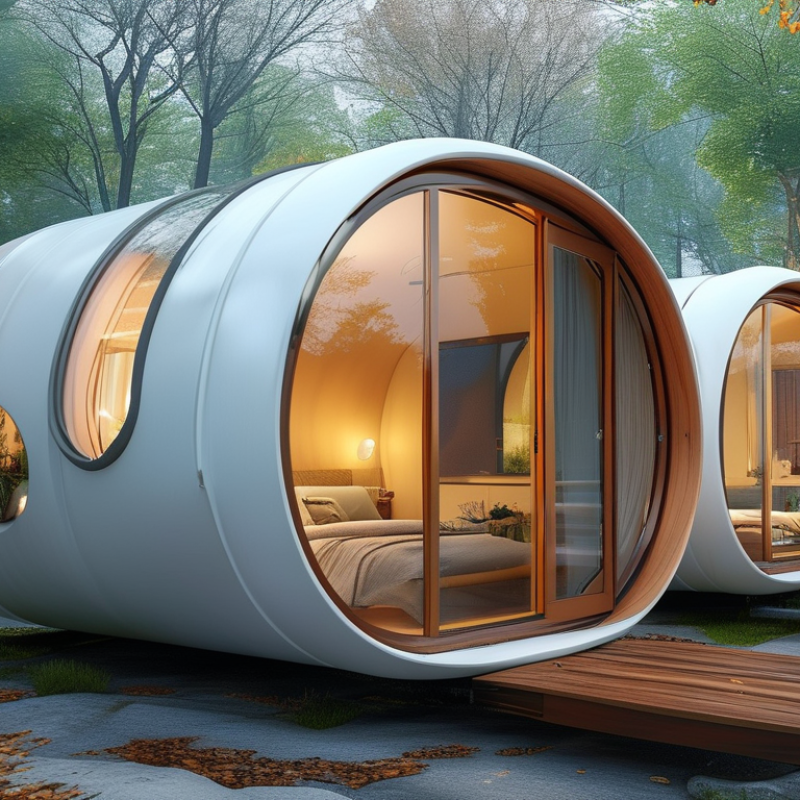
Capsule tiny houses represent a shift towards innovative living solutions. These designs often feature compact floors with multifunctional furniture. This maximizes space while maintaining comfort. Curved shapes and modular components enhance both style and efficiency. Large windows invite natural light, making spaces feel larger.
Another exciting concept is the use of sustainable materials. Bamboo and recycled plastics are gaining popularity. These choices support eco-friendly living. However, challenges remain in insulation and durability. The balance between aesthetics and functionality is crucial. Some designs neglect adequate storage, which can lead to clutter.
Every tiny house must embrace personal touch. Creativity can lead to unique color schemes and layouts that reflect individuality. Yet, overthinking choices can hinder decision-making. The journey of creating a capsule tiny house is as important as the final outcome. Embracing imperfections can lead to innovative breakthroughs.
Maximizing Space: Multifunctional Furniture Solutions
In modern living, maximizing space is essential. Multifunctional furniture can transform tiny houses. For example, a sofa bed can serve as seating by day and a bed at night. This dual-purpose solution optimizes limited square footage. According to a report from the National Association of Home Builders (NAHB), more than 30% of new home buyers prefer smaller spaces. Tiny homes often require innovative furniture solutions.
Tips: Choose furniture that doubles as storage. Ottomans with hidden compartments can store blankets. Foldable tables can be neatly tucked away when not in use. These small adjustments make a big difference in small areas.
Another solution is using wall-mounted furniture. Desks that fold up when not in use save floor space. This design not only keeps spaces open but also adds a unique aesthetic. According to Space.com, effective decluttering can create a perception of more space, encouraging a minimalist lifestyle. Reflect on how your furniture choice impacts your daily life. Make conscious decisions for a harmonious living environment.
Top 10 Capsule Tiny House Ideas for Modern Living
Sustainable Materials and Eco-Friendly Features
Sustainable living is more crucial than ever. Tiny houses are leading the charge. These homes often utilize eco-friendly materials, reducing environmental impact. A report from the Tiny House Association reveals that over 60% of new tiny homes incorporate sustainable features. These materials range from reclaimed wood to recycled steel. They emphasize durability and low maintenance.
Natural insulation options like wool or hemp are popular. They offer high energy efficiency. A study from the National Association of Home Builders shows that homes using sustainable materials can save up to 30% on energy costs. This aspect is appealing to eco-conscious consumers. However, some builders face challenges in sourcing consistent, high-quality sustainable materials. This inconsistency can lead to delays and increased costs.
Many tiny house designs now include features like living roofs and solar panels. These additions further enhance energy efficiency. A survey by the International Living Future Institute found that homes with such features can reduce carbon footprints significantly. Nevertheless, eco-friendly practices can sometimes increase upfront costs. This reality forces buyers to weigh benefits against initial investment. The tiny house movement encourages a critical examination of modern lifestyles.
Creative Interior Layouts for Optimal Living Experience
When designing a Tiny Capsule House, creative interior layouts make all the difference. These spaces require smart solutions. One idea is to use multifunctional furniture. For example, a foldable dining table can serve as a workspace. This flexibility maximizes usability in limited space.
Consider an open-plan design that combines the kitchen, living area, and sleeping quarters. This approach creates a sense of spaciousness. Using light colors can enhance this effect. A mirror on one wall may visually expand the area. It’s crucial to balance aesthetics with functionality.
However, not all designs work for every lifestyle. Some might find a compact kitchen too restrictive. Others may struggle with limited privacy. Reflecting on personal needs is vital before committing to a layout. The goal is to create a space that feels both functional and comfortable.
Tech Integration for Smart Tiny House Living
In modern living, smart technology plays a crucial role in transforming tiny houses into functional spaces. Concealed within compact areas, tech tools enhance day-to-day convenience while maximizing efficiency. Many tiny house enthusiasts prioritize smart lighting systems, automatic temperature controls, and advanced security measures. These innovations not only save space but also create a comfortable atmosphere.
Tips: Choose devices that seamlessly integrate. Wireless systems help eliminate cords and reduce clutter. Consider voice-activated assistants for hands-free control. These features simplify daily life and make tiny living enjoyable.
Moreover, smart storage solutions are essential for optimal organization. Smart furniture, like foldable tables and multifunctional couches, can adapt to various needs. When planning layouts, ensure easy access to technology. This thoughtful design will prevent frustration and promote a better lifestyle in a compact space.
Reflecting on your tech choices is vital. Not every gadget may suit your needs or space. Evaluate what adds value to your lifestyle, ensuring a balance between innovation and practicality.