China Top 10 Red Wine Glasses Suppliers?
China has become a major sourcing destination for Red Wine Glasses, serving wineries, restaurants, retailers, and hospitality brands worldwide. This guide introduces ten notable Chinese suppliers and examines what makes each one worth considering. The selection focuses on product quality, manufacturing experience, customization capacity, export performance, and communication reliability.
A strong supplier should offer clear glass specifications, including bowl capacity, rim thickness, stem design, and material composition. Buyers may also need lead-free crystal glass, machine-made consistency, or hand-finished details. Factory photographs can help, but they are not enough. Reliable evaluation should include sample testing, production audits, packaging checks, and verified business information. One damaged glass in a carefully packed carton can reveal weaknesses in quality control.
The ranking is not permanent. Market conditions, production teams, certifications, and delivery performance can change. That limitation matters. Some suppliers may appear impressive online but provide limited evidence of recent export experience. Others may have excellent craftsmanship but higher minimum order quantities. This introduction therefore treats “top” as a practical reference, not an absolute judgment. Readers should compare quotations, samples, inspection records, warranty terms, and after-sales responses before placing an order. The following overview aims to support informed decisions through observable details and balanced analysis. It also recognizes that supplier suitability depends on budget, target market, design requirements, and expected order volume. Careful verification remains essential.
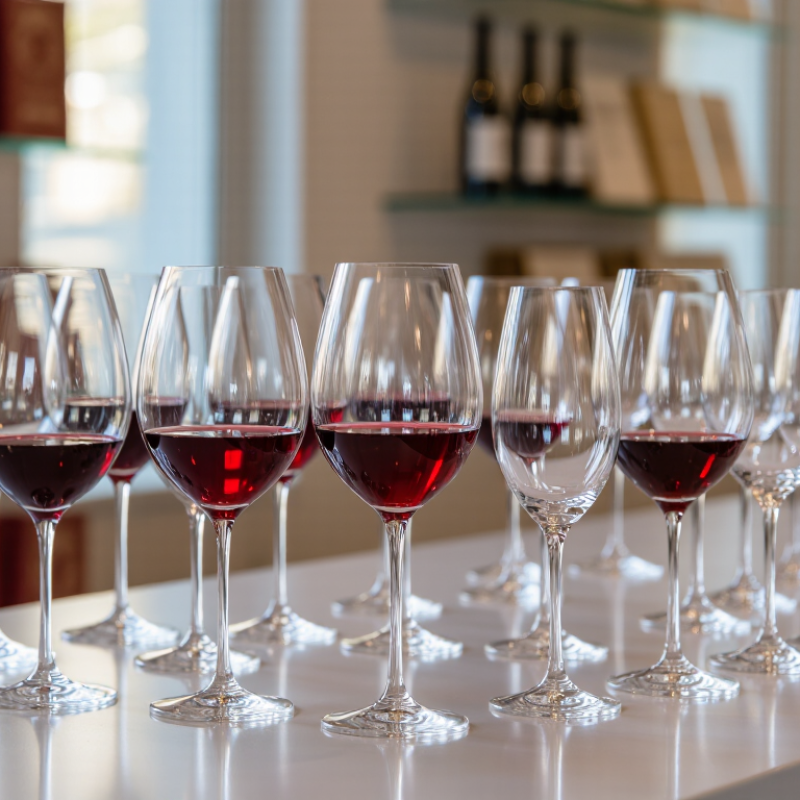
China’s Red Wine Glass Manufacturing Landscape
China’s red wine glass manufacturing landscape combines traditional glassmaking skills with efficient, export-focused production. Suppliers serve restaurants, hotels, retailers, and private-label importers. Many operate near established glassmaking regions, where furnace access, skilled workers, and packaging networks reduce production delays. The market includes handmade crystal-style glasses, machine-pressed models, and lightweight stemware for large-volume orders.
Material selection shapes both performance and cost. Lead-free crystal alternatives can provide clarity, balance, and a refined rim. However, “crystal” does not always mean better durability. Buyers should check composition, hardness, thermal shock resistance, and rim consistency. Experienced factories usually control these details through batch testing and sample approval. They also inspect bowl symmetry, stem alignment, base stability, and surface defects under strong lighting.
Customization is common, including bowl capacity, stem height, engraving, color, gift packaging, and carton design. Reliable suppliers should provide production drawings, pre-shipment inspection records, and traceable lot information. Packaging deserves attention because a beautiful glass can still fail after a long sea journey. Dividers, molded pulp, and vibration testing help reduce breakage. Lead times may change during peak seasons or when molds require repair. That risk is easy to underestimate. Factory visits, independent inspections, and repeated sample testing offer stronger evidence than catalog photos alone. Some suppliers communicate well but struggle with small orders; others offer flexibility but need closer quality supervision. This unevenness remains a practical challenge for international buyers.
How to Evaluate China’s Top Red Wine Glass Suppliers
How to Evaluate China’s Top Red Wine Glass Suppliers
Choosing among China’s top red wine glass suppliers requires more than comparing online catalogs. A reliable evaluation begins with factory experience, product evidence, and clear technical communication. Ask for glass type, capacity, rim thickness, stem dimensions, and tolerance ranges. These details affect balance, pouring comfort, and breakage during service. Request production samples. Hold them under natural light. Check for bubbles, scratches, uneven rims, and cloudy surfaces.
A supplier should explain its forming, annealing, inspection, and packing processes. Ask how often inspectors test dimensions and visual defects. Independent laboratory reports can support claims about food-contact safety and durability. Verify report dates, sample numbers, and issuing laboratories instead of accepting logos alone. This is where many buyers become too trusting. I have seen attractive samples fail after rough carton handling. That experience makes packaging validation essential. Request drop-test photos, carton specifications, dividers, and replacement procedures.
Commercial reliability matters as much as glass quality. Compare minimum order quantities, tooling charges, payment terms, lead times, and export documents in one written quotation. Ask whether the price includes inner packaging, palletizing, and inspection costs. A small unit-price advantage may disappear after damage, delays, or rework. Evaluate response speed and how clearly the supplier handles design corrections. Keep records. Good communication is practical evidence of future support. Do not choose too quickly. Run a small trial order before scaling. It may feel slower. It often reveals the truth.
Top 10 Red Wine Glass Suppliers in China
China’s top 10 red wine glass suppliers are best evaluated through production evidence, not catalog size. OIV’s 2024 wine sector report recorded China’s wine consumption at about 6.8 million hectolitres in 2023. This demand supports a broad hospitality glassware supply chain, including machine-made and hand-finished factories.
A reliable supplier should provide clear rim thickness, bowl capacity, stem balance, and carton testing records. Common capacities range from 450 to 650 millilitres, with wider bowls supporting aroma development. Ask for food-contact documentation, lead and cadmium test results, and ISO 9001 quality records. China Customs trade data under HS 7013 also helps compare export activity, although product classifications can mix wine glasses with other tableware. That weakness matters.
The strongest candidates usually offer OEM mould development, logo decoration, drop-test packaging, and stable monthly output. Visit production lines when possible. A polished sample can hide inconsistent stems. Request samples from three batches, then measure height, weight, rim diameter, and breakage rate. Industry research from IMARC identifies hospitality and household use as major glass tableware demand segments, but its market estimates vary by classification. Therefore, ranking ten Chinese suppliers should combine report data with factory audits, recent export records, and buyer references. Price alone is a poor filter. One overlooked detail is replacement support after delivery. Consistent packaging often saves more money than a cheaper unit price.
Product Quality, Customization, and Compliance Standards
China Top 10 Red Wine Glasses Suppliers?
Choosing among China’s top ten red wine glass suppliers requires more than comparing catalog prices. Quality starts here. Inspect rim thickness, bowl symmetry, stem alignment, and foot stability. A thin, even rim improves the drinking experience. Proper annealing reduces internal stress and unexpected breakage. Ask for thermal-shock, dishwasher, and impact test records from recent production batches. A polished sample may still hide defects. Mass production can reveal cloudy glass, uneven stems, or small bubbles.
Customization should match your sales channel and handling conditions. Suppliers may offer private molds, etched logos, colored glass, gift boxes, and protective inserts. Request a production sample before approving the mold. Check logo sharpness under direct light. Test whether packaging prevents rim contact during transport. Details matter. Confirm minimum order quantities, mold ownership, revision fees, and replacement policies in writing. I would also compare lead times against realistic shipping schedules, not optimistic promises.
Compliance separates a dependable supplier from a risky quotation. Request current food-contact declarations and laboratory reports for lead and cadmium migration. Depending on the destination market, confirm applicable requirements for food-contact materials, packaging, labeling, and chemical restrictions. Reports should identify the tested glass type, batch, laboratory, and test date. Records should match. A certificate from an unrelated product proves little. Review factory traceability, inspection procedures, and corrective-action records. One weakness remains common: buyers sometimes focus on documents and overlook physical quality. Both need independent checking.
Sourcing, Pricing, and Import Considerations
China’s top red wine glass suppliers vary by production method, capacity, and export experience. Shortlist factories that provide clear product specifications, recent inspection records, and traceable material information. Ask whether each glass is machine-made, handmade, lead-free crystal, or soda-lime glass. The difference affects clarity, durability, weight, and price.
Typical factory pricing may range from USD 0.60 to USD 2.50 per standard machine-made glass. Handmade or customized designs can cost USD 2 to USD 8 before freight. These figures are only working estimates. Mold fees, colored glass, laser logos, gift boxes, and protective dividers can change the quotation quickly. Request samples before negotiating large quantities. A beautiful sample may still hide weak packaging.
Import planning needs equal attention. Confirm the correct customs classification with a broker before shipment. The buyer should also check food-contact requirements in the destination market, including limits for lead, cadmium, and other restricted substances. Request test reports that match the exact glass model, not a similar item. Agree on Incoterms, carton dimensions, pallet rules, and acceptable defect rates in writing. Pre-shipment inspection is useful, but it cannot replace proper packaging tests. In reality, some suppliers communicate well during sampling and respond slowly after payment. Build in production milestones, photo records, and a realistic buffer for seasonal delays.