What Is a Point of Purchase Display Rack?
A Point Of Purchase Display Rack is a fixture placed near a checkout, aisle, or product zone to make selected items easier to notice and reach. It may hold snacks, cosmetics, accessories, or seasonal products. Some racks stand on the floor; others sit on counters or attach to shelving. The format depends on the item, available space, and how shoppers move through the store.
Retail analyst Paco Underhill, founder of Envirosell, is often quoted as saying, “The longer a shopper stays in a store, the more he or she will buy.” His observation is not a guarantee of sales. It does, however, help explain why retailers study shopper behavior and product placement. A rack can bring a small item into view at a useful moment. It can also become clutter if it blocks a walkway or hides the merchandise.
Look closely. A good fixture feels easy to shop: products face forward, prices are visible, and the structure stays stable when items are removed. A practical test is simple: Can a shopper identify the product and take it without moving other items? Not always. Store conditions change, and an attractive display may still perform poorly if it is hard to restock or maintain. This guide explains what a Point Of Purchase Display Rack is, how common designs differ, and which details matter when choosing one. Expect useful trade-offs, not a perfect formula.
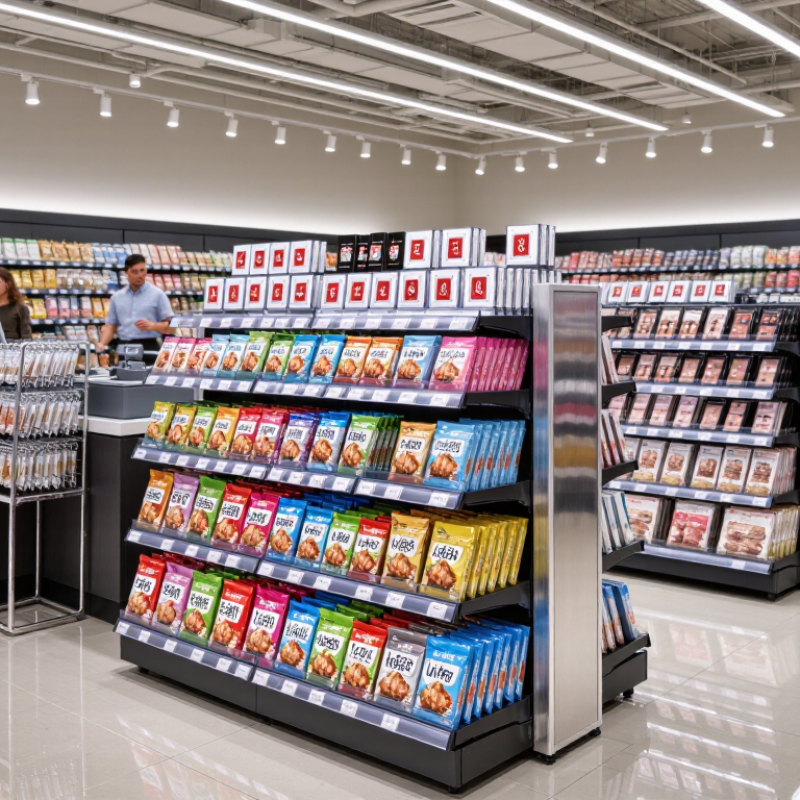
Definition and Purpose of a Point of Purchase Display Rack
A point of purchase display rack is a fixture placed near a buying decision, such as an aisle end, checkout, or product category. It holds and presents selected products where shoppers can see, compare, and reach them. Unlike ordinary shelving, it is usually designed to draw attention to a specific offer or product group. A rack might use angled shelves, a small header sign, or open sides that make packages easy to pick up. Keep the purpose practical: visibility, access, and clear product information. Not decoration alone.
The 2012 POPAI Shopper Engagement Study reported that 76% of purchase decisions were made in store. The figure is based on that study’s shopper research, not a universal rule, but it helps explain why retailers use point of purchase displays. U.S. Census Bureau data also showed e-commerce represented 15.6% of total retail sales in the fourth quarter of 2023, leaving most sales in other channels. A well-placed rack can support those in-store decisions, especially when it sits beside related products. Still, it cannot fix confusing prices, empty shelves, or weak stock planning. That part is easy to overlook. Aisle space is limited, so measure the footprint and check that shoppers can pass comfortably before choosing a display.
What Is a Point of Purchase Display Rack? - Definition and Purpose of a Point of Purchase Display Rack
| Aspect | Description | Purpose or Practical Consideration |
| Definition | A point of purchase (POP) display rack is a fixture used to present products and related information in a retail setting where shoppers make or consider a purchase. | Makes selected merchandise visible and accessible near a relevant shopping or checkout area. |
| Common locations | Checkout zones, aisle ends, store entrances, service counters, and other high-visibility areas. | Placement depends on store layout, shopper flow, product relevance, and available floor or counter space. |
| Typical formats | Freestanding floor racks, countertop units, shelf-mounted displays, and endcap fixtures. | The format should suit the product, location, display capacity, and the retailer’s store requirements. |
| Products displayed | Often used for compact, packaged, promotional, seasonal, or complementary items; the suitable product range varies by store and fixture. | Product size, weight, packaging, and expected replenishment needs help determine rack design and capacity. |
| Core purpose | To organize merchandise, draw attention to selected items, and provide a convenient way for shoppers to browse or take products. | A well-positioned display can support product discovery and make an offer easier to notice; results depend on execution and shopper demand. |
| Materials | Common options include corrugated board, solid board, metal, wood, and plastic, used individually or in combination. | Material choice affects durability, appearance, weight, portability, cost, and suitability for the display period. |
| Design features | Depending on the fixture, features may include shelves, hooks, product dividers, a header panel, or printed product information. | Clear labeling, easy access, stable construction, and straightforward restocking help keep the display usable. |
| Retailer considerations | Retailers may set requirements for dimensions, placement, safety, accessibility, assembly, and the amount of floor or counter space used. | Confirming store requirements before production and installation can reduce fit, access, and operational issues. |
Common Types and Structural Features
A point-of-purchase (POP) display rack places products where shoppers can notice and handle them, often near checkout aisles or category shelves. Common formats include compact countertop units, freestanding floor displays, sidekick racks attached to shelf edges, and pallet displays for larger quantities. Dump bins suit loose, lightweight items, while tiered shelves keep packaged products visible and easy to replenish.
Construction varies with product weight, store layout, and campaign length. Corrugated-board racks are light and easy to ship flat; metal or wood structures generally support heavier loads and longer use. Typical features include a weighted base, adjustable shelves, hooks, a printed header, and open sides for access. POPAI’s 2012 Shopper Engagement Study reported that 76% of purchase decisions were made in-store. That older benchmark describes the shopping environment, not the effect of displays alone.
The details matter. A rack that looks sturdy may wobble after repeated restocking, so check its joints and stated load capacity with the actual products. Measure aisle clearance, too; an oversized base can obstruct movement or hide nearby merchandise. Not just looks. Clear labels help shoppers scan choices, but dense graphics can compete with the products. A practical test is to load the display, reach for items from different sides, and inspect it at normal viewing distance.
How Display Racks Guide In-Store Shopping
A point of purchase display rack is a fixture placed near a buying decision, often beside a checkout or within a product aisle. Its job is not just to hold items. A clear layout can help shoppers notice useful options without interrupting their route. For example, a waist-high rack with a visible price card is easier to scan than a crowded fixture tucked behind a corner. Small cues matter.
Good display racks guide attention through height, spacing, and product order. Place commonly chosen items where shoppers can reach them comfortably, and keep labels facing forward. A small gap between products makes each option easier to recognize. Racks near aisle ends may attract attention, but they should not block walking space or obscure nearby signs. The effect depends on the store’s layout and the way people actually move through it. One arrangement may look neat on paper and still feel awkward in a busy aisle.
Tips: Check the rack from a shopper’s viewpoint, not only from behind the counter. Keep prices readable and remove empty packaging promptly. If shoppers pause or reach around the fixture, adjust it; that small inconvenience is easy to miss during setup. A display should guide, not pressure.
Materials and Design Factors
A point-of-purchase display rack is a fixture placed near a buying decision, often beside an aisle or checkout. Its material affects strength, appearance, shipping weight, and disposal. Corrugated board suits short campaigns and lighter products; thicker board or reinforced corners help prevent sagging. FEFCO’s 2023 European Database reports that recycled fibres make up about 89% of paper input in Europe’s corrugated packaging industry. That figure supports board as a practical material choice, but not every rack is recyclable in practice. Coatings, mixed materials, and local collection systems matter. A humid store can also soften board.
Design should make products easy to see and reach, while keeping the rack stable under real stock weight. POPAI’s 2012 Shopper Engagement Study estimated that 76% of purchase decisions happen in store, making clear product visibility valuable. It still matters. Keep headers readable from the aisle, avoid blocking nearby shelves, and use shelves deep enough to prevent products tipping forward. A small metal or board brace may improve stability, though it can complicate assembly. Prototype with actual products, then test restocking and wobble on the shop floor. A design that looks sturdy on a screen may disappoint in use.
Retail Uses and Practical Considerations
What Is a Point of Purchase Display Rack?
Retail Uses and Practical Considerations
A point of purchase display rack is a fixture placed near a buying decision, often beside a checkout or on a busy aisle. It holds products where shoppers can see and reach them easily. A small rack might carry snack packets, while a taller unit can organize boxed goods. Its purpose is simple: make selected items noticeable without blocking the store’s flow.
Retailers use these racks for seasonal goods, new arrivals, and everyday add-on purchases. Placement matters. A rack beside a checkout may attract waiting shoppers, but it can also create a bottleneck if the aisle is narrow. Height, shelf spacing, and product weight affect both access and stability. Staff should be able to restock it without moving nearby fixtures. Materials also matter; a rack exposed to frequent handling may need sturdier shelves. The right choice depends on the store, not just the product. That sounds obvious, but it is easy to overlook.
Tips: Measure the space before choosing a rack. Check that labels face outward and shelves stay steady when stocked. Watch how shoppers move around it during a busy period. One trial may reveal a placement problem you missed.