How to Choose the Right Kitchen Table?
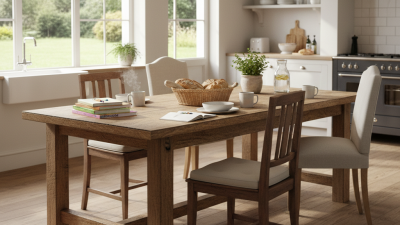
Choosing the right kitchen table is less about matching a catalog photograph and more about understanding daily life. A table must fit the room, support real routines, and remain comfortable after years of use. Measure the available floor space first. Leave at least 36 inches around the table for chairs and walking paths.
Industry research supports this practical approach. The National Kitchen & Bath Association’s 2024 Kitchen Trends Report highlights multifunctional kitchens, durable materials, and flexible dining areas as important design priorities. Houzz’s 2024 U.S. Kitchen Trends Study also shows that homeowners continue investing in functional kitchen improvements, including upgraded islands and better seating arrangements. These findings suggest that a kitchen table should do more than provide a surface. It may become a homework desk, coffee station, workbench, or family gathering point.
Think about proportions carefully. A round table can improve movement in a compact kitchen. A rectangular table often serves larger households more efficiently. Solid wood offers repairability and visual warmth, while engineered surfaces may provide easier maintenance. Check edge finishes, joinery, chair clearance, and the manufacturer’s care instructions.
Small details matter.
I have seen beautiful tables fail because their legs blocked chairs or their finishes resisted everyday cleaning poorly. That mistake is easy to make when appearance leads the decision. A better choice balances style, room dimensions, durability, cleaning habits, and budget. The right kitchen table should feel natural at breakfast, steady during busy evenings, and adaptable when your household changes.
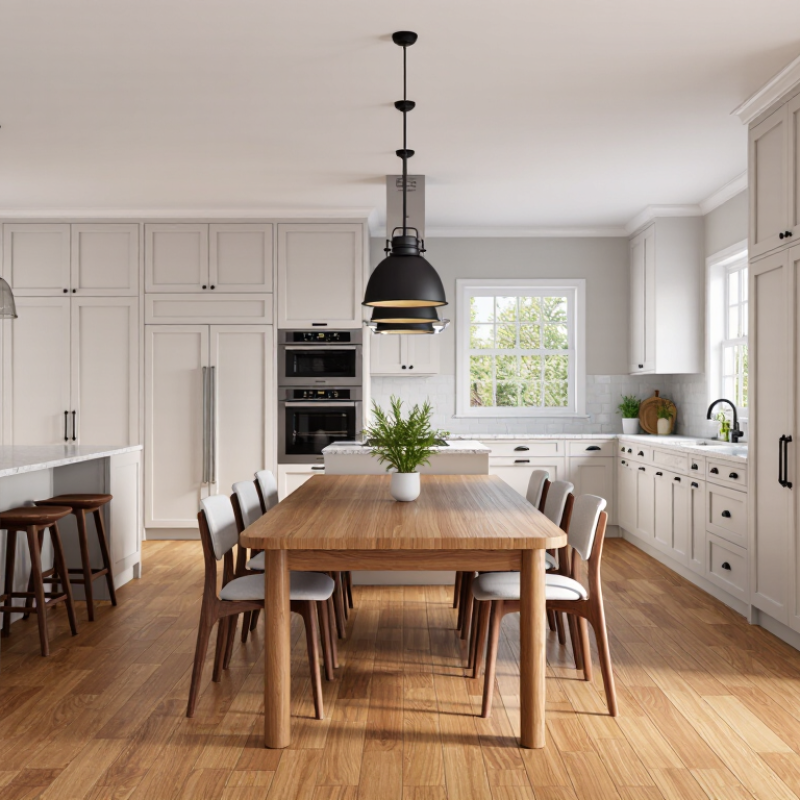
Understanding Your Kitchen’s Space and Everyday Needs
A kitchen table should fit the room you actually use, not just look right in a floor plan. Measure the open space, then mark the table’s outline with painter’s tape. Leave roughly 36 inches around it where possible, so chairs can pull back and people can pass. In a narrow kitchen, a rectangular table may work better against a wall; a round table can soften a tight corner. Check door swings, drawers, and the path between the fridge and sink. These small details are easy to miss. I’d still recheck the measurements after moving a chair or appliance, because kitchens rarely behave like empty rooms.
Think about ordinary days. Does someone eat breakfast while another prepares dinner? Do children need room for homework, or do you mostly need a landing spot for groceries? A compact table with a durable, wipe-clean surface can suit frequent meals, while an extendable one may help when guests visit occasionally. Test chair comfort and legroom before deciding; a tabletop can seem spacious until knees meet its support bar. Be realistic about storage, too. Extra leaves are useful, but only if you have somewhere dry and accessible to keep them. Sometimes the perfect size is still a little inconvenient. That’s worth noticing.
How to Choose the Right Kitchen Table?
Understanding your kitchen’s space and everyday needs starts with matching the tabletop size to the number of people who regularly use it.
How to use this chart: Common rectangular tables range from approximately 48 inches for four seats to 84 inches for eight seats. Before choosing a table, measure the dining area and allow about 36 inches of clearance around the table for comfortable movement and chair access.
Choosing a Table Shape and Size That Fits the Room
Choosing a kitchen table starts with the room, not the shape you like in a photo. Measure the usable floor area, including the path from the doorway to the counters. Leave about 36 inches around the table where people need to walk or pull out chairs. In a tight kitchen, even a few inches can change how easily a chair moves. I once underestimated the space a chair needed when someone was seated. The measurements looked fine on paper, but daily use felt cramped.
A round table can soften a narrow walkway and makes conversation easy, but it may use floor space less efficiently against a wall. A square table often suits a compact, nearly square room; an extendable version can help when guests visit. Rectangular tables work well in longer rooms. Check the width, too: around 36 inches gives most people room for plates and shared dishes, while a wider table may interrupt movement in a small kitchen.
Before buying, mark the proposed tabletop size on the floor with painter’s tape. Pull out a chair and walk past it. Try the route with a laundry basket or grocery bag in hand; it reveals awkward corners quickly. These checks are useful, though tape cannot show how a table’s legs affect knees. If possible, compare the leg placement and tabletop height in person, and measure again before ordering.
How to Choose the Right Kitchen Table? — Choosing a Table Shape and Size That Fits the Room
| Table Shape |
Typical Table Size |
Approximate Seating |
Minimum Room Size* |
Best Fit |
| Round |
36–42 in. diameter |
2–4 people |
12 × 12 ft for a 36-in. table; 12 ft 6 in. × 12 ft 6 in. for a 42-in. table |
Compact dining areas; the lack of corners can make circulation feel easier. |
| Round |
48–60 in. diameter |
4–6 people |
13 × 13 ft for a 48-in. table; 14 × 14 ft for a 60-in. table |
Square rooms where diners benefit from facing one another. |
| Square |
36 × 36 in. |
2–4 people |
12 × 12 ft |
Small, square dining spaces; can be placed against a wall when not in use. |
| Square |
48 × 48 in. |
4 people |
13 × 13 ft |
Four-person meals in a square room; may feel less convenient in narrow spaces. |
| Rectangular |
48 × 30 in. |
4 people |
12 ft × 11 ft 6 in. |
Narrow kitchens or dining areas; works well along the length of a room. |
| Rectangular |
60 × 36 in. |
4–6 people |
13 × 12 ft |
Everyday family dining in a medium-sized rectangular room. |
| Rectangular |
72 × 36 in. |
6 people |
14 × 12 ft |
Longer rooms and households that regularly seat six. |
| Oval |
72 × 40 in. |
6–8 people |
14 × 12 ft 8 in. |
Long rooms where rounded ends can ease movement around the table. |
| How to estimate room size: The minimum room dimensions above allow approximately 36 in. of clearance on every side of the tabletop. This is a planning guideline for moving chairs and walking around the table; allow more space where a main walkway or frequently used cabinets and appliances are nearby. Seating estimates vary with chair width, table leg placement, and place settings. |
Comparing Materials, Construction, and Durability
A kitchen table must handle more than meals; it faces warm mugs, damp sleeves, and daily bumps. Solid wood can be repaired and refinished, but it responds to humidity. The USDA Forest Products Laboratory’s Wood Handbook reports white oak shrinkage of about 10.5% tangentially and 5.6% radially from green to oven-dry. Those figures describe wood movement, not a finished table’s expected shrinkage, but they show why stable joinery and controlled indoor conditions matter. Check whether the top is solid wood or veneer, and inspect how the legs attach. A sturdy-looking table can still wobble if its joints are weak.
Tips:
Press gently on opposite corners and watch for movement. Look for tight joints, level feet, and a finish that feels even around edges. For daily family use, a thick veneer over a stable core may resist seasonal movement better than a poorly made solid top. Solid wood has its own appeal. It also needs more care than many buyers expect.
For other materials, compare the whole construction, not just the surface. Laminate is easy to wipe, but chipped edges can be difficult to repair. Stone is hard and heavy; confirm that the base supports its weight and that the finish suits your cleaning habits. Ask about replacement parts and care instructions before buying. I would not judge durability from a showroom touch alone; repeated use reveals details a quick inspection misses.
Matching Table Style to Your Kitchen and Existing Furniture
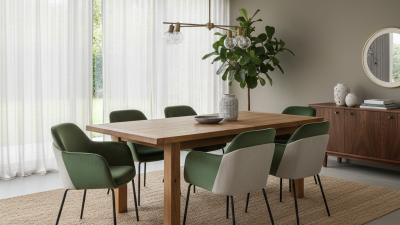
Choosing a kitchen table is easier when you study the furniture already in the room. Look at cabinet colors, flooring, lighting, and hardware finishes. A warm wooden table can soften a kitchen with white cabinets and stone surfaces. In contrast, a simple painted table may suit a room with colorful chairs and open shelving. The table should feel connected, not copied.
I usually place a few material samples on the floor before deciding. This reveals clashes that online images often hide. A glossy surface may reflect too much light beside polished cabinets. A matte finish can create a calmer, more balanced appearance. For a compact kitchen, a round or oval table improves movement around corners. Measure the walkway carefully. Leave enough space for chairs to slide out comfortably.
Style still needs to support daily habits. Families who share homework and meals may prefer a durable, easy-clean surface. Someone who entertains often might need an extendable design. Check the table height against your existing chairs, because small differences quickly become uncomfortable. I once chose a beautiful table with thick legs, but it blocked a cabinet door. That mistake changed how I measure furniture. Visual harmony matters, yet practical clearance matters more. A slightly imperfect match can feel intentional when the materials, scale, and shapes relate clearly.
Evaluating Comfort, Maintenance, and Long-Term Value
A kitchen table should feel inviting, not merely fit the room. I test comfort by sitting at it for ten minutes. My knees should clear the underside, and my feet should rest flat. A height near 74–76 centimeters suits many adults, but household needs differ. Leave about 90 centimeters behind each chair for easy movement. Comfort matters. Sharp corners can become irritating during long meals, especially in busy family kitchens.
Maintenance affects daily satisfaction more than appearance alone. A sealed wooden surface usually handles crumbs, warm plates, and quick wiping well. However, standing water can still stain weak joints or unfinished edges. I look closely at the tabletop after cleaning. Does it feel rough? Does moisture collect near the legs? These small checks reveal construction problems early. I once chose a pale surface because it looked spacious. It showed every mark, and I cleaned it constantly. That decision was not practical.
Long-term value comes from durability and repairability, not just the purchase price. Strong joinery, replaceable legs, and a refinishable surface can extend useful life for years. Measure the doorway before buying; a beautiful table is useless if delivery becomes difficult. Also consider future changes, such as moving homes or adding children. A table that tolerates scratches may offer better value than a delicate one. Calculate the cost per year, not the price on the receipt. Keep a little room for regret. Preferences change.