How to Choose Modern Furniture for Your Home Decor Needs?
Choosing modern furniture for your home can be an exciting yet daunting task. According to expert designer Emily Turner, "Modern furniture should not only reflect your style but also enhance your quality of life." Her insight reminds us that selecting the right pieces goes beyond aesthetics; it needs practical consideration too.
The world of modern furniture is vast. Sleek lines and minimalistic designs are trending, but that doesn't mean you should rush. Every piece should resonate with your lifestyle. Think about comfort, functionality, and how well the furniture fits into your existing décor. This approach ensures that you invest wisely in items that serve both beauty and purpose.
However, even seasoned decorators can struggle. It’s easy to get swayed by trends that may not suit your space. Reflect on your personal style before making choices. Aim for a balance between trend and timelessness. Remember, modern furniture is an expression of who you are, and it deserves thoughtful consideration.
Understanding the Key Elements of Modern Furniture Design
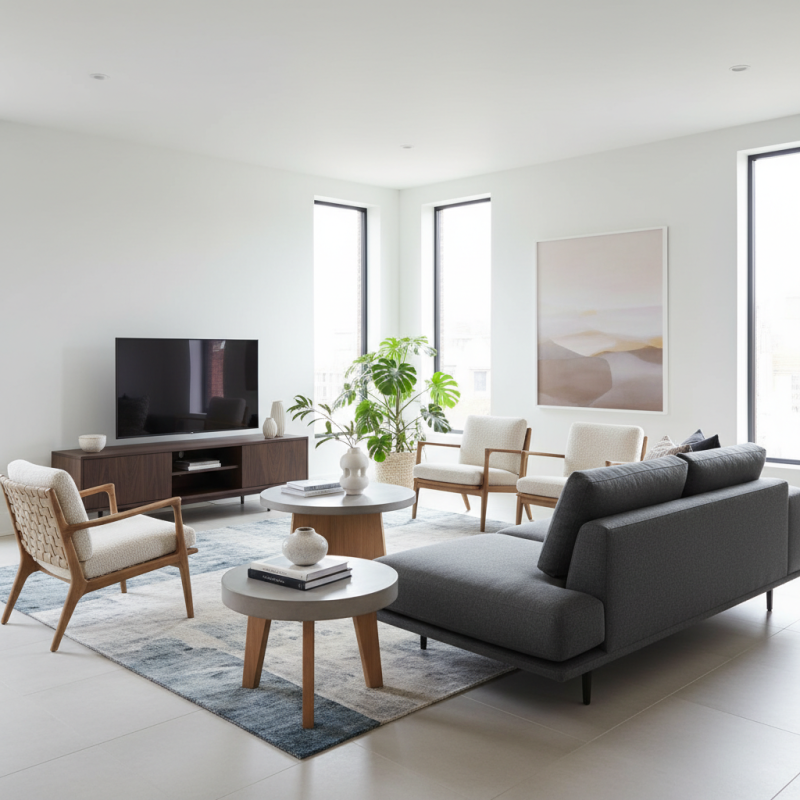
When it comes to modern furniture design, understanding key elements is crucial for creating a stylish home. Clean lines are a hallmark of this design style. They lend a sense of simplicity and elegance. Look for furniture pieces that avoid fussiness. Instead, opt for shapes that make a bold statement. Geometric forms often stand out and can define spaces well.
Material choice is also vital. Modern designs frequently utilize metals, glass, and natural woods. These materials enhance durability and aesthetic appeal. However, not all modern furniture pieces balance these elements effectively. Some may feel too cold or sterile. A careful selection of textiles, like soft leathers or cozy fabrics, can add warmth.
Functionality should never be overlooked. Modern furniture often emphasizes usability. Consider how pieces will fit into daily life. Will they offer adequate storage? Are they easy to move? Sometimes, the most visually appealing items lack practicality. Create a list of must-haves before you shop. This will help you narrow your choices and find pieces that truly meet your needs.
Evaluating Space and Functionality in Home Decor
When selecting modern furniture, assessing your space and functionality is crucial. Each piece should enhance the room's flow while serving practical needs.
Start by measuring your areas. Know the length, width, and height of your spaces to avoid overcrowding. A well-measured room can accommodate furniture that feels inviting and comfortable.
Consider the function of each area. For instance, a living room might require seating that promotes conversation. Choose sofas or chairs that allow easy movement.
Workspace needs are different. Desks should support productivity and fit within your layout seamlessly.
Tips: Look for multi-functional furniture. A storage ottoman can double as a coffee table. Use light colors in small spaces to create an illusion of depth.
Remember, not every piece will be perfect. Some may seem out of place. Reflecting on what fits your lifestyle is key.
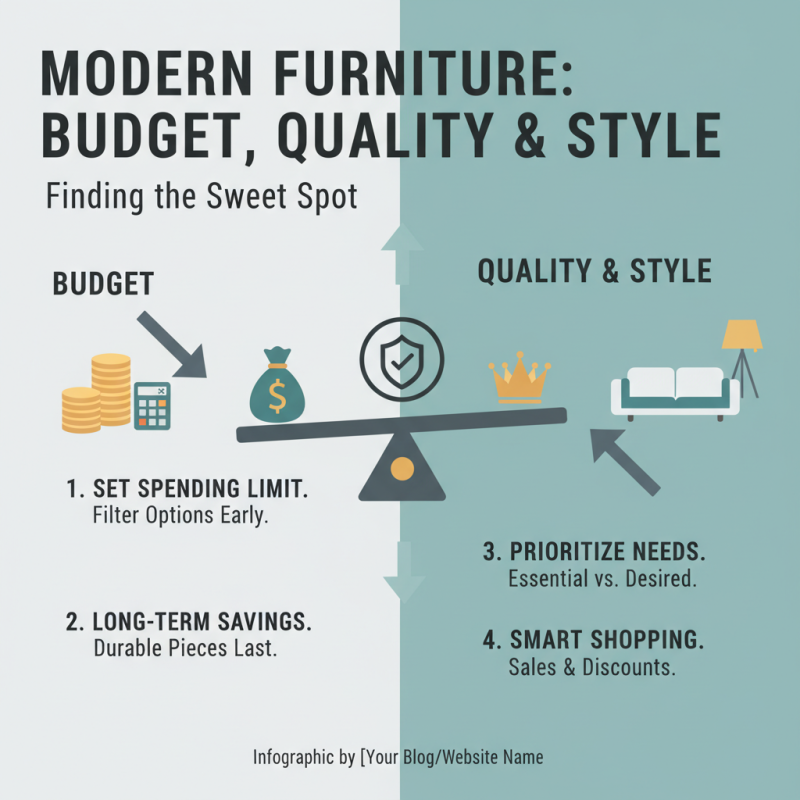
Prioritize quality and comfort over purely aesthetic choices.
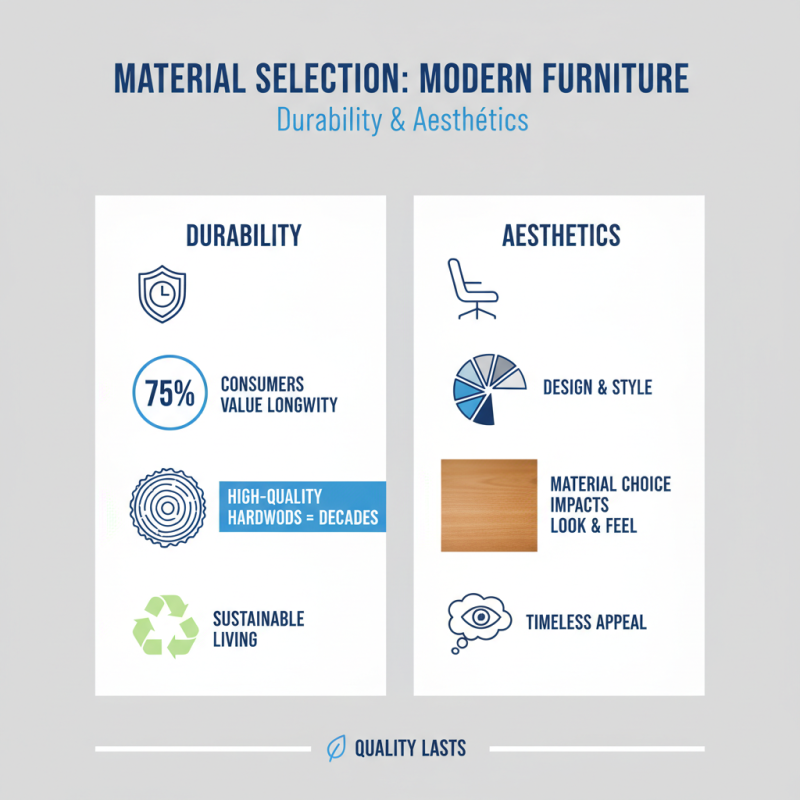
Material Selection: Durability and Aesthetics in Modern Furniture
When selecting modern furniture, material choice is crucial. The durability of a material affects its longevity. For instance, high-quality hardwoods can last decades. Reports show that 75% of consumers value durability in their furniture decisions. This emphasis on lasting quality reflects an industry trend toward sustainable living.
However, aesthetics cannot be overlooked. The visually appealing nature of materials like metal and glass often grab attention. According to a recent study, 68% of buyers consider design a key factor in their purchases. But beauty should not compromise function. Some materials may look good but lack structural integrity.
Today, the push for eco-friendly options complicates these choices. Bamboo, recycled metals, and organic fibers are gaining popularity. While these materials are sustainable, they may not always offer the same level of durability. Homeowners must weigh aesthetic appeal against long-term functionality. The balance is delicate and often subjective. Choosing the right material can transform a space but demands careful thought and research.
Incorporating Color Trends and Textures in Furniture Choices
Selecting modern furniture for your home decor involves a keen understanding of color trends and textures. According to a recent report by the American Society of Interior Designers, over 70% of design professionals believe that color significantly impacts mood in living spaces. Integrating shades like earthy greens or serene blues can enhance tranquility. These colors not only promote relaxation but also align with the growing trend toward sustainable living and natural aesthetics.
Textures play a crucial role in modern furniture choices. A survey by the International Furniture and Design Association highlighted that 65% of consumers prefer tactile experiences when selecting furniture. Velvet, linen, and natural wood create a cozy, inviting atmosphere. However, blending various textures can be tricky. A room lacking balance may seem chaotic. It’s essential to mix soft fabrics with smoother surfaces, ensuring fluidity without overwhelming the senses.
Another emerging trend involves the craftsmanship of materials. The rise in handcrafted pieces offers uniqueness. Yet, buyers should be cautious. Not all handcrafted items possess the durability expected. Reflecting on personal taste and lifestyle becomes vital when making these choices. Assessing how often furniture will be used can guide decisions more effectively than following fleeting trends alone.
How to Choose Modern Furniture for Your Home Decor Needs?
| Furniture Type |
Color Trend |
Texture |
Room Suitability |
| Sofa |
Soft Neutrals |
Velvet |
Living Room |
| Dining Table |
Bold Blue |
Oak |
Dining Room |
| Accent Chair |
Earthy Tones |
Leather |
Any Room |
| Bed Frame |
Pastels |
Wood |
Bedroom |
| Coffee Table |
Deep Greens |
Glass |
Living Room |