How to Choose the Best Acoustic Panels for Your Space

Choosing the right Acoustic Panels begins with understanding what you want to improve. A home office may need clearer video calls, while a music room may benefit from less echo. In a bare room, clapping can reveal a sharp, lingering reflection. That sound is a useful clue, though it does not replace careful assessment.

Start by considering the room’s size, surfaces, and everyday use. Hard floors, glass, and painted walls can all contribute to reflections. Acoustic panels absorb some sound energy and can make a room feel less harsh; they do not soundproof it. That distinction matters. Small rooms need thoughtful placement, not simply more panels. It is easy to overlook.

Next, compare panel materials, thickness, dimensions, and published performance data. Look for clear specifications, such as a Noise Reduction Coefficient (NRC), while remembering that results depend on the room and installation. A high rating alone cannot promise perfect speech clarity or studio-quality sound. Check mounting requirements, fire-safety information, and cleaning guidance, especially in shared or busy spaces. Measure the available wall area before ordering. It saves trouble.

There is no single best panel for every room. A balanced choice considers the problem, budget, appearance, and practical limits together. Even careful planning has uncertainties: furniture changes, room use shifts, and measurements may not capture every listening position. Treat recommendations as a starting point, then listen from where you actually sit or work. Good choices come from evidence and a little reflection.
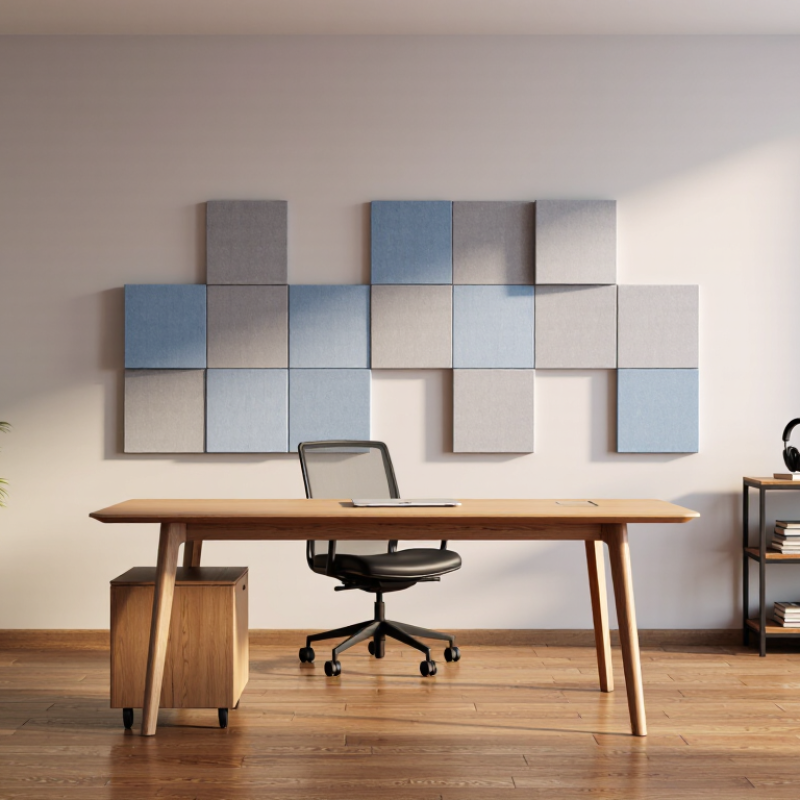
How to Choose the Best Acoustic Panels for Your Space

Understanding How Acoustic Panels Control Sound

How to Choose the Best Acoustic Panels for Your Space

Understanding How Acoustic Panels Control Sound

Acoustic panels improve a room by absorbing some sound energy, especially reflections bouncing between hard surfaces. Their porous materials let sound enter, where friction converts part of that energy into small amounts of heat. The result can be clearer speech and less harsh reverberation. Not silence. Panels do not usually stop sound from passing through walls or block noise from outside.

Panel performance depends on material, thickness, and placement. Thin panels may reduce higher-frequency reflections, while thicker absorbers can work across a broader range. Check tested absorption data when available; appearance alone tells you little. In a small office, placing panels near reflective walls can reduce the sharp echo of a video call. A handclap test may reveal obvious reflections, but it is not a substitute for measurement. That matters.

Coverage should suit the room, not just the wall color. Start with the main sound sources and listening areas, then consider nearby walls and ceilings. A few well-placed panels may help more than scattered pieces, though results vary with room shape and furnishings. I would not expect a dramatic change from minimal coverage; that assumption is easy to make. Test one area, listen again, and adjust. Room acoustics are imperfect, and treatment choices can be too.

Assessing Your Space and Identifying Its Acoustic Needs

Assessing Your Space and Identifying Its Acoustic Needs

Start with the room itself. Measure its length, width, and ceiling height, then note glass, bare floors, and long parallel walls. These surfaces often create audible reflections. Stand where people speak or listen, and notice whether voices sound harsh, hollow, or blurred. A hand clap can reveal an obvious echo, but it cannot diagnose every problem. I still find small rooms easy to misjudge.

Match the assessment to the room’s purpose. In classrooms, ANSI/ASA S12.60-2010/Part 1 sets a reverberation-time limit of 0.6 seconds for core learning spaces up to 10,000 cubic feet, alongside a 35 dBA background-noise limit. These are classroom benchmarks, not universal targets for homes, offices, or studios. ISO 3382-2 describes methods for measuring reverberation time in ordinary rooms; a qualified acoustic professional can help when precision matters.

Consider what you hear before choosing panel coverage. If conversation is tiring, reflections near seating and speaking areas may deserve attention. If outside traffic dominates, absorptive panels alone may not solve the issue; they reduce reflected sound, not sound passing through a wall. Check product absorption data tested under ASTM C423, and treat NRC as a useful comparison, not a guarantee of room performance. A few panels may help. Or not enough.

Comparing Panel Materials, Shapes, and Performance

Acoustic panels differ by material, and appearance alone can mislead. Fiberglass and mineral wool typically absorb a broad range of frequencies when sufficiently thick. Polyester panels are lighter and easier to handle, though performance varies with density and construction. Thin foam may soften high-frequency reflections but often does little for bass. Check independent test data, such as an NRC rating, and remember that one number cannot describe performance at every frequency.

Shape matters, but less than thickness, coverage, and placement. Flat panels suit walls where speech reflections make a room feel sharp. Grooved or sculpted surfaces can scatter some sound, yet texture does not automatically mean better absorption. For a home office, panels near the desk and on the wall behind a microphone may help more than a decorative cluster across the room. Leave an air gap behind panels when practical; it can improve absorption at lower frequencies. Small details count.

Match the choice to the room’s actual problem. A tiled kitchen may need help with lively echoes, while a music room may need thicker treatment and careful bass control. Panels reduce reflections; they do not block sound traveling through walls. Measure the wall area, note hard surfaces, and compare test results before buying. Looks matter, too. One imperfect step is choosing by appearance first; it is easy to regret later.

How to Choose Acoustic Panels: Material Performance

Indicative Noise Reduction Coefficient (NRC) ranges for common absorber materials

Higher NRC generally indicates greater sound absorption across the test frequencies. These broad ranges are indicative, not a direct product comparison: thickness, density, mounting, and frequency all affect performance. Check test data for the exact panel you plan to use.

Choosing Panel Coverage and Placement

Panel coverage should respond to the room’s sound, not a fixed percentage. In a home office, speech may still feel sharp after a small clap, especially beside bare glass and painted walls. Start with the ceiling and the wall facing your desk. Add panels near strong reflection points, then listen again from your normal seat. A rug or bookcase can change the result, too. It is easy to over-treat a room; a little echo can make conversation feel more natural.

Use measured targets where they apply. ANSI/ASA S12.60-2010 sets a reverberation-time limit of 0.6 seconds for many classrooms up to 10,000 cubic feet, and 0.7 seconds for larger rooms up to 20,000 cubic feet. These are classroom limits, not universal home targets. For panels, compare absorption data measured under ASTM C423, and check the tested mounting conditions. An air gap can affect performance, particularly at lower frequencies. Measure the room before and after treatment if possible; phone apps offer only a rough check. Placement is not perfectly predictable. A panel behind a sofa may help less than one at an exposed side-wall reflection point.

How to Choose the Best Acoustic Panels for Your Space - Choosing Panel Coverage and Placement

Space or Use Starting Coverage Guide Suggested Placement Practical Considerations
Home office or study About 10–20% of available wall area Place panels near the desk, on the wall behind the monitor, and at nearby reflection points. Begin with a small, balanced arrangement. Panels can reduce room reflections, but they do not block sound from entering or leaving the room.
Meeting or conference room About 15–25% of available wall area Prioritize walls beside and behind seated participants; consider ceiling panels when the ceiling is hard and reflective. Even coverage can help speech sound clearer. Keep panels clear of doors, displays, ventilation, and required safety equipment.
Podcast or recording room About 15–25% of available wall area as an initial target Treat early reflection points near the microphone and the wall behind the speaker. Add a ceiling panel above the recording position if appropriate. Avoid covering every surface by default; excessive absorption can make a room sound unnaturally dull. Microphone position and room use affect the result.
Music practice or listening room About 15–30% of selected wall area, adjusted by listening tests Start with side-wall reflection points and consider the wall behind the listening position. Use thicker treatment in corners when low-frequency buildup is a concern. Thin panels mainly absorb mid- and high-frequency reflections. Low-frequency problems may require thicker absorbers or purpose-designed bass treatment.
Classroom or training room About 15–25% of available wall area, with ceiling treatment where suitable Distribute treatment across reflective side and rear walls; consider ceiling panels in rooms with high ceilings or hard floors. Check local fire, mounting, and accessibility requirements. The room’s furnishings, size, and existing finishes also influence speech clarity.
Restaurant or shared dining area Begin with about 15–25% of suitable wall or ceiling area Use distributed treatment on large reflective surfaces, particularly away from cooking equipment and areas exposed to moisture or impact. Choose materials and mounting methods appropriate for cleaning, humidity, and the space’s safety requirements.

Planning note: Coverage percentages are approximate starting points, not universal standards. They refer to the portion of suitable wall or ceiling surface treated, not the floor area. Add panels gradually and assess the room after each change; room dimensions, surface materials, furnishings, and intended use all affect the amount and placement needed.

Checking Installation Requirements and Expected Results

Before ordering panels, check the test data and the wall they must attach to. ASTM C423 measures sound absorption in a reverberation room, while ISO 354 describes a similar laboratory method. Compare products tested with the same mounting setup: an air gap or backing can change the reported result. The Noise Reduction Coefficient (NRC) is a useful shorthand, not a promise that every room will sound the same. It does not measure how well a panel blocks sound passing through a wall. That distinction matters.

Inspect the installation surface, too. Painted drywall, concrete, and suspended ceilings need different fixings; heavy panels may require anchors rather than adhesive. Check panel weight, required clearance, fire-performance documentation, and access to lights or sprinklers before laying out the room. For a small meeting room, panels near the first reflection points and on the rear wall can reduce flutter and improve speech clarity. Measure the room’s reverberation before and after installation if possible. ANSI/ASA S12.60 sets reverberation-time limits for learning spaces, showing why room use matters when judging results. A living room has different needs. I would not expect a few panels to cure traffic noise or poor sound insulation; that assumption is easy to make, and often wrong. Test a small area first. It can expose installation problems before they spread.

The Health & Safety of our Community is Our Priority For this reason, we will be changing our business hours to:

MON - SAT • 12pm - 5pm

Or by appointment

We will communicate any updates through our social media and other regular mediums. Thank you for being a loyal customer!

Learn More

Top The owner of this website has made a commitment to accessibility and inclusion, please report any problems that you encounter using the contact form on this website. This site uses the WP ADA Compliance Check plugin to enhance accessibility.